





Keyboard Shortcuts That Save Students Hours Weekly
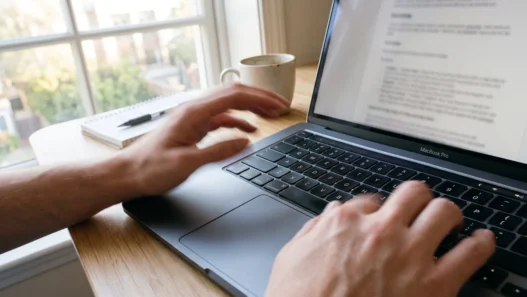
Your hand leaves the keyboard ~2,000 times a day. These are the shortcuts that give those seconds back — browser, writing, and window tricks, plus a one-a-day method so you actually remember them.
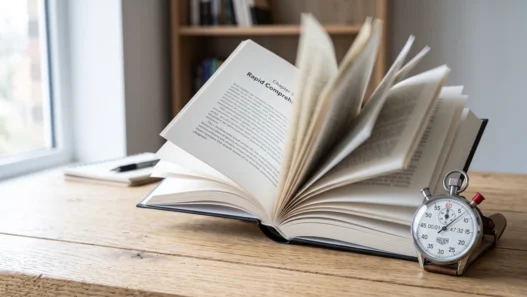
How Fast Can Humans Actually Read?
Speed-reading courses promise 1,000+ words per minute. Science says the real ceiling is far lower. What research reveals about how fast we can read.

How Much Do Students Spend on Textbooks?
US students spend around $1,200 a year on textbooks — and prices rose nearly 90% in a decade. Here’s where the money goes, why the market is broken, and how students fight back.

The Mozart Effect: Does Classical Music Make You Smarter?
In the 1990s, a study suggested Mozart could boost your brain — and sparked a parenting craze. The timeline of the hype, the debunking, and what music actually does for studying.

Why Handwriting Beats Typing for Remembering
Half the lecture hall types, half scribbles in notebooks — and science has weighed in. The famous 2014 study, the rebuttals, and the practical verdict on when to use which.

How Sleep Cleans Your Brain (Explained Simply)
Every night, fluid washes through your brain tissue, flushing away the metabolic garbage of the day. Meet the glymphatic system — discovered in 2012 — and learn why all-nighters are worse than you thought.

The Zeigarnik Effect: Why Unfinished Tasks Haunt You
Unanswered emails, half-read chapters, courses abandoned at 60% — your brain refuses to let go of unfinished business. The 1927 experiment behind it, and five ways to turn the nagging into a superpower.

Why You Remember Song Lyrics but Forget Formulas
You can sing every word of a song from five years ago but can't recall yesterday's lecture. Songs exploit nearly every memory system you own — here's the science, and how to steal the trick for studying.
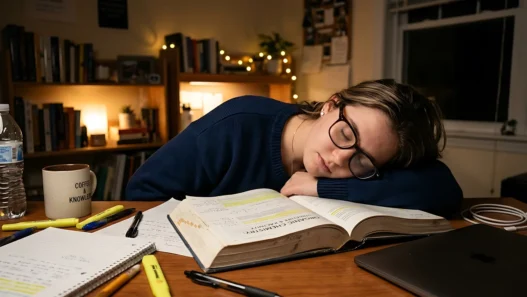
Why Cramming Fails: What Your Brain Does Overnight
It's 2 AM, your exam is in seven hours, and you're still studying. Here's the cruel irony: the all-nighter doesn't just fail to help — it sabotages the very brain processes that turn studying into memory.

Study Groups: How to Run One That Actually Works
Most study groups decay into expensive social hour. The difference between the groups that work and the ones that waste your evening isn't chemistry — it's structure. Here's the 90-minute template that actually works.