

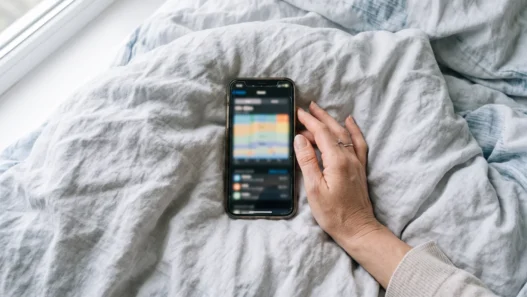



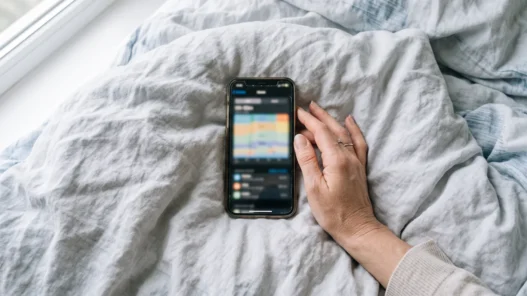
Your phone knows exactly how many hours you gave it yesterday. (Go ahead, check — Settings, Screen Time. I’ll wait.) For most students, the number is bigger than they’d guess and smaller than they’d admit. But here’s the question that actually matters: does all that screen time move your grades?
The short answer is “it’s complicated,” which is journalist for “the data is genuinely interesting.” Let’s look at the numbers.
The headline numbers
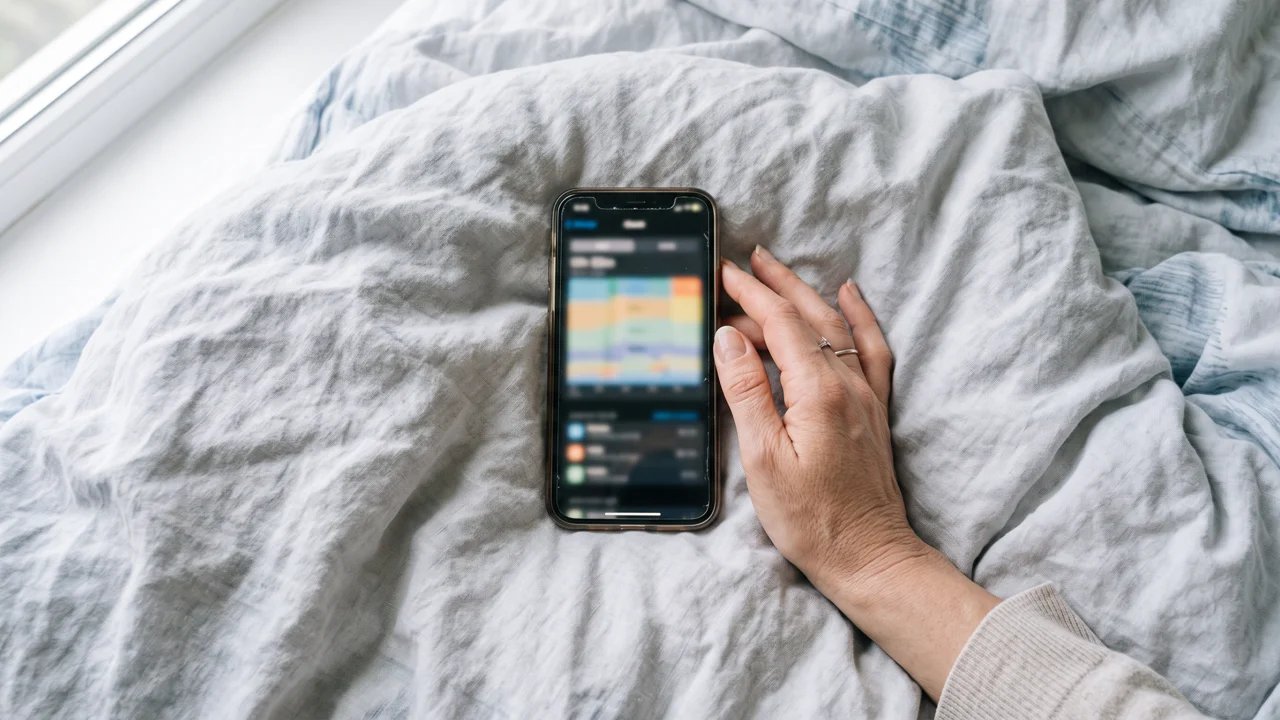
Start with the scale of the thing. A large U.S. survey of teens by Common Sense Media found that teenagers average around 8.5 hours of screen media per day — and that’s not counting schoolwork. Tweens clock in around five and a half hours. Read that again: for many teens, recreational screen time is effectively a full-time job.
Access is near-universal: Pew Research found that around 95% of U.S. teens have access to a smartphone, with nearly half saying they’re online “almost constantly.” The device isn’t the exception in a student’s life anymore — it’s the environment. Asking whether phones affect studying is a bit like asking whether air affects breathing.
So the real question isn’t “screens yes or no.” It’s what kind of screen time, and what is it replacing?
What the research actually finds
Dozens of studies have chased the link between screen time and academic performance, and a pattern keeps emerging: heavy recreational screen time — especially social media and gaming — correlates with lower grades. Students who report the most hours on social platforms tend to report lower GPAs; heavy gamers show similar patterns.
But — and this is the part most headlines skip — correlation is not causation, and the arrow might point both ways. Do phones cause worse grades, or do struggling, bored, or anxious students reach for their phones more? Probably some of both. A student doomscrolling through a lecture they don’t understand isn’t being ruined by the phone; the phone is where they went when the lecture lost them.
The more useful finding is about how screens get used during study time. The research on media multitasking — texting while reading, keeping social feeds open during homework — is much less ambiguous. A well-known Stanford study found that heavy media multitaskers performed worse at task-switching and filtering distractions than light multitaskers — the opposite of what the multitaskers believed about themselves. Your brain doesn’t parallel-process; it rapidly switches, and every switch has a cost. Studies of interrupted study sessions suggest it can take many minutes to fully refocus after a single notification check.
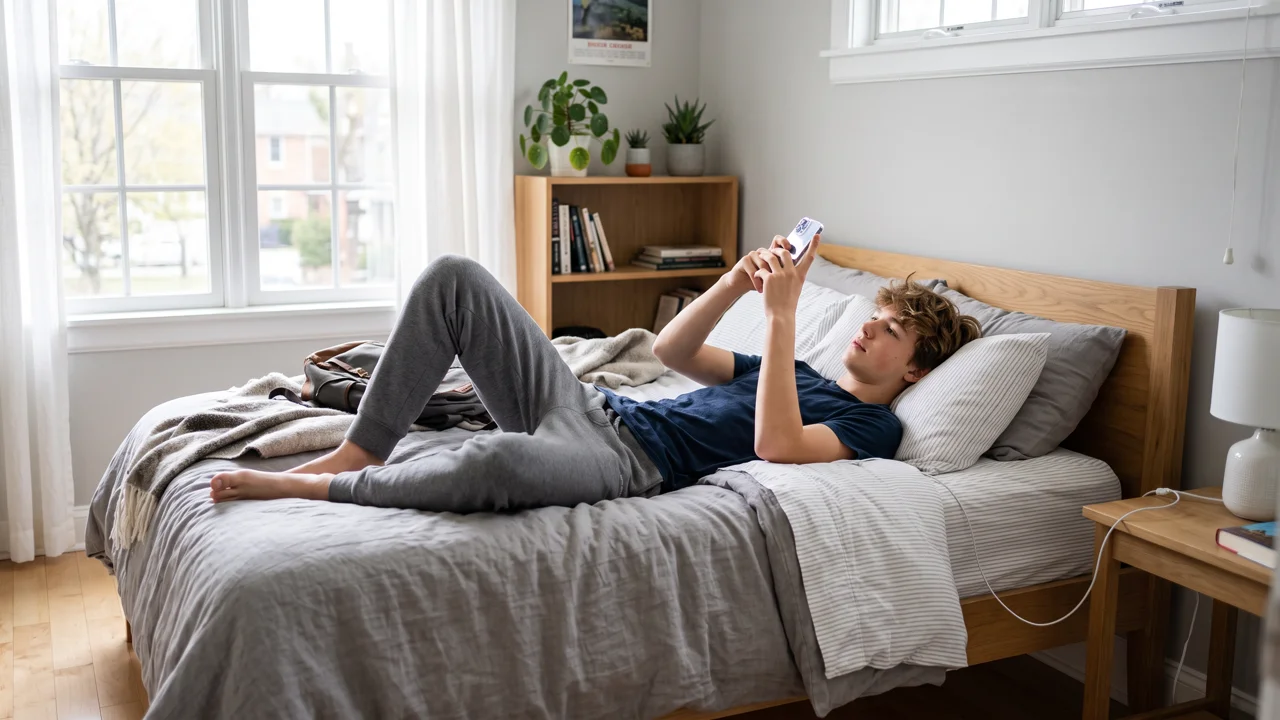
Then there’s sleep, the silent middleman. Teens who use phones late at night sleep less and worse — the blue light, the stimulation, the “one more video” trap — and sleep deprivation reliably tanks memory, attention, and test performance. Some of the “screen time hurts grades” effect is really “screens hurt sleep, and sleep loss hurts grades.”
The nuance the panic misses
Not all screen time is created equal, and the data knows it. Educational screen time — watching a lecture, doing practice problems, reading an ebook — doesn’t show the same negative patterns as recreational scrolling. Some studies even find positive associations between purposeful tech use and learning outcomes. The screen is a delivery mechanism; what matters is the cargo.
There’s also a dosage question. The relationship between recreational screen time and well-being looks less like a cliff and more like a curve: a little is fine, even social; problems cluster at the heavy end. Nobody’s GPA ever collapsed because of thirty minutes of videos after dinner. The damage lives in the three-plus hours of fragmented, compulsive use — the kind where you can’t remember what you just watched.
And demographics matter. Students with strong study systems and supportive environments seem more resilient to the pull; students already struggling get hit harder. The phone amplifies whatever trajectory you’re already on.
There’s one more wrinkle worth knowing: self-reported screen time is notoriously unreliable — people routinely underestimate it by hours — which means the real-world effects researchers measure may actually understate what’s happening. Your phone’s built-in usage report is more honest than your memory. Trust the dashboard, not the vibe.
What actually helps (the evidence-backed moves)
If the data says “heavy, fragmented, late-night use is the problem,” the fixes write themselves:
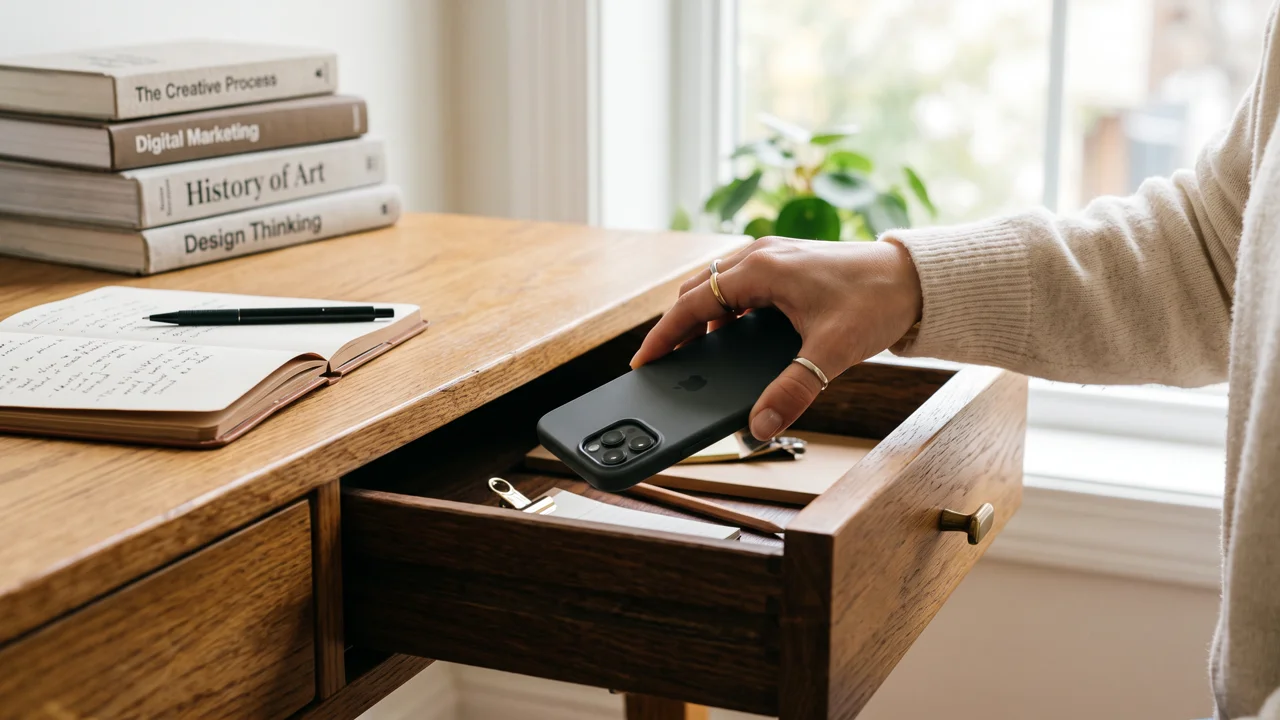
- Phone out of sight during study blocks. Not face-down — out of the room. Studies show even the visible presence of a phone drains working memory. Your brain spends resources resisting it.
- Batch your notifications. Turn off everything non-essential, and check messages in batches between study sessions instead of as they arrive. Every interruption resets your focus clock.
- Protect the last hour before sleep. Charge the phone outside the bedroom. An alarm clock costs less than your GPA.
- Track it for one week. Most people underestimate their usage by hours. The built-in screen time report is free and brutally honest — awareness alone changes behavior for many people.
- Replace, don’t just remove. “Use your phone less” fails; “phone stays in the kitchen while I study, and I read for 20 minutes instead” works. Nature abhors a vacuum, and so does boredom.
If willpower alone isn’t cutting it, that’s what distraction blockers like Cold Turkey or Freedom are for — they make the good choice the default. And if you want to flip the script entirely, apps like Forest turn staying off your phone into a game you can win.
The bottom line the data supports
Screens don’t doom your grades. Unmanaged, compulsive, sleep-stealing screen habits do — mostly by fragmenting your attention, displacing study time, and wrecking your sleep. The students thriving academically aren’t the ones without phones; they’re the ones whose phones have a place, a schedule, and an off switch.
So check that screen time number. Not to feel guilty — to get data. Then change one thing this week: the phone leaves the room during study time. It’s the smallest intervention with the biggest evidence behind it. Your grades, your sleep, and your attention span will notice before your feed does.