


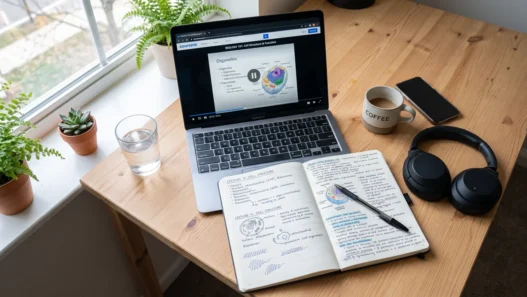




30 Fun Facts to Break the Ice in Any Conversation
Thirty surprising, debate-starting facts — from cube-shaped wombat poop to the 38-minute war — organized by theme, plus how to deploy them without sounding like a trivia robot.
Why All Notification Sounds Sound the Same
Every phone on Earth makes the same bright little ding. That's not a lack of imagination — it's physics, psychology, and economics. The data behind the notification sound.

How to Bounce Back After Failing a Test
Failed a test? Don't panic — diagnose. This hour-by-hour and week-by-week recovery plan shows you how to process the grade, find what actually went wrong, and come back stronger.
The 5-Minute Journal: A Tiny Habit With Big Payoffs
Five minutes of writing a day — three questions in the morning, two at night — can genuinely shift your mood and focus. Here's the science behind the 5-minute journal and how to start one without quitting by day four.
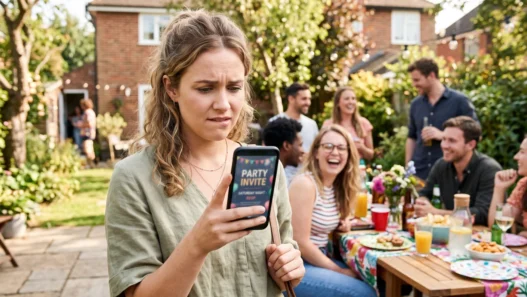
How to Say No Without Guilt (Protect Study Time)
Every yes to something you don't have time for is a no to your grades, sleep, and sanity. Why saying no hurts, why the guilt lies to you, and five copy-paste scripts for real situations.
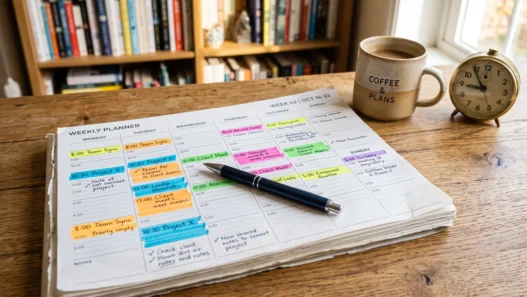
Time Blocking for Beginners: Plan Your Week
To-do lists tell you what to do but never when — so everything slides. Time blocking assigns every task a time slot. Full setup takes 20 minutes; here's the exact process.
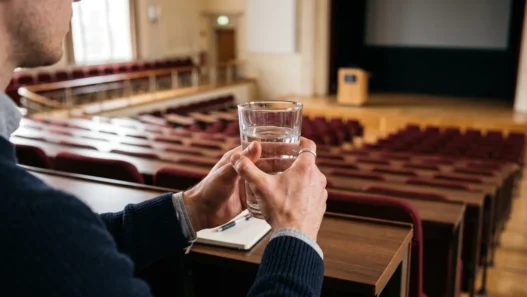
How to Speak in Public Without Panicking
Most public speaking advice is myth — including the underwear one. Here's what research actually says about beating presentation anxiety, from reappraisal tricks to the illusion of transparency.

7 Sleep Habits Backed by Science (No Time Needed)
Forget perfect sleep routines. These seven research-backed habits are the minimum effective dose for students with no time — starting with the one that matters more than 8 hours.
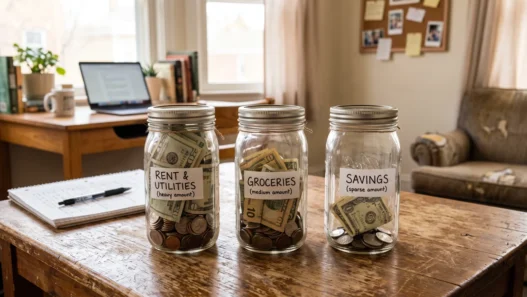
The 50/30/20 Budget Rule for Students, Explained
Money stress beats exam stress for most students — and nobody taught you to budget. The 50/30/20 rule splits your income into three buckets with zero spreadsheets required.

How Much Do Students Spend on Textbooks?
US students spend around $1,200 a year on textbooks — and prices rose nearly 90% in a decade. Here’s where the money goes, why the market is broken, and how students fight back.