






How to Learn Vocabulary 3x Faster
Learn 20 words tonight, forget half by morning — that's the forgetting curve at work. These five research-backed techniques (retrieval practice, spacing, the keyword method) can genuinely triple how fast vocabulary sticks.

How to Read a Textbook Without Falling Asleep
It's 9 PM, you're on page three, and your eyelids are staging a rebellion. Here's why textbooks make you drowsy — and the science-backed reading techniques that keep your brain awake, from question-first reading to 25-minute sprints.

How to Stay Focused in a Noisy House: 9 Tips
Screaming siblings, blenders, barking dogs — and an exam in three days. Nine practical tactics for studying in a noisy house, from free instant fixes to cheap upgrades that actually work.

The Best Time of Day to Study (Chronotypes Explained)
There's no universal best time to study — there's only your best time. Chronotype science explains why larks crush mornings, owls own midnight, and how to schedule your hardest work at your personal peak.

Studying With Music: What Science Actually Says
Headphones on, playlist loaded — but is the music helping or quietly sabotaging you? A Q&A on what decades of research say about music, lyrics, lo-fi beats, and the debunked Mozart effect.

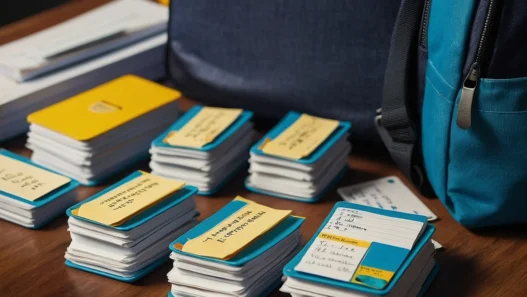
Flashcards vs. Notes: When to Use Each for Studying
Flashcards or notes? Science says it's not a rivalry — it's a relay race. Flashcards build recall, notes build understanding. Here's exactly when to reach for each (plus the hybrid methods nobody talks about).
How to Prepare for an Exam in One Week (Realistic Plan)
Seven days, one exam, zero panic. This realistic day-by-day plan uses retrieval practice, spaced review, and sleep — not 14-hour cram sessions — to get you from shaky to solid in a week.

The 20-20-20 Rule: Protect Your Eyes While Studying
Every 20 minutes, look at something 20 feet away for 20 seconds — but does the viral 20-20-20 rule actually work? We separate the myth from the science and add the eye-care tips that matter more.
How to Memorize Anything: 5 Techniques That Work
Memory champions don't have special brains — they have special techniques. From chunking to memory palaces, here are five science-backed methods that make anything stick, explained simply.

The 2-Minute Rule: Beat Procrastination Before It Starts
Procrastination isn't laziness — it's a starting problem. The 2-minute rule shrinks any task into a tiny first step your brain can't refuse, and once you start, momentum does the rest. Here's how to use it for studying.