








Coursera had Stanford professors. Udacity had a self-driving-car genius. Khan Academy had a hedge fund guy with a YouTube channel. And then there was Skillshare, which had a completely different idea about who should be allowed to teach: anyone with a skill and a camera.
No ivory tower. No credentials committee. Just working creatives teaching what they actually do for a living — illustration, photography, hand lettering, video editing, freelance business — to people who wanted to learn it the same way you’d learn it from a talented friend. That idea has now survived fifteen years, several near-death moments, and a total business-model transplant. Here’s how it got there, told through the moments that decided its fate.
Turning point #1: Two guys who thought classrooms were broken (2010)
Michael Karnjanaprakorn and Malcolm Ong were not educators. Karnjanaprakorn had been leading product at Hot Potato, a social app startup; Ong had been a product manager at OMGPop, the gaming company behind Draw Something. They were tech people who kept bumping into the same frustration: traditional education was expensive, slow, and gatekept, while the internet was full of people with real, practical skills and no way to teach them.
In November 2010, they launched Skillshare in New York on a simple premise: let anyone teach a class, and let anyone curious sign up. No university partnerships. No accreditation. The platform opened to the public in beta in April 2011, and the first classes were exactly what you’d expect from a scrappy startup in Brooklyn — painting, photography, sketching. Creative stuff, taught by creative people, for people who wanted to make things.
Turning point #2: The open marketplace years (2011–2014)
Early Skillshare worked like a marketplace: instructors set their own prices, students bought individual classes. It grew fast — 100,000 enrolled users by 2012 — and investors noticed. The company raised a $3.1 million Series A in 2011, then more rounds that brought total funding to around $10 million within three years, backed by names like Union Square Ventures and Spark Capital.
But the marketplace model had a structural problem that every a-la-carte course platform eventually hits: students buy one class, take it (or don’t), and disappear. Revenue was lumpy. Discovery was hard. And the catalog was drifting — as the user base grew, classes expanded beyond art into business, technology, and entrepreneurship, which brought in career-minded learners but diluted the creative identity that made Skillshare special.
The founders were watching Netflix eat Blockbuster in real time. The lesson was hard to miss.
Turning point #3: The subscription gamble (2015)
In 2015, Skillshare made the decision that defines it to this day: it killed the per-class marketplace and went all-in on subscription. One flat monthly fee, unlimited classes. Browse freely, start anything, abandon anything guilt-free.
It was a genuine gamble. Instructors who’d been setting their own prices and collecting sales revenue suddenly had to trust a new deal: they’d earn royalties from a shared pool, paid out based on how many minutes members actually watched their content. Teach a class people binge, and you’d do well. Make a flashy trailer with a weak course, and the algorithm would notice.
The bet paid off. Subscriptions gave Skillshare predictable revenue and changed how students behaved — when every class is already paid for, you explore. You take the watercolor class and the freelance-pricing class in the same weekend. Registered users passed 2 million by 2017, with more than 17,000 classes live. The model also quietly solved a quality problem: instructors were now rewarded for keeping students engaged through a whole course, not for writing a catchy sales page.
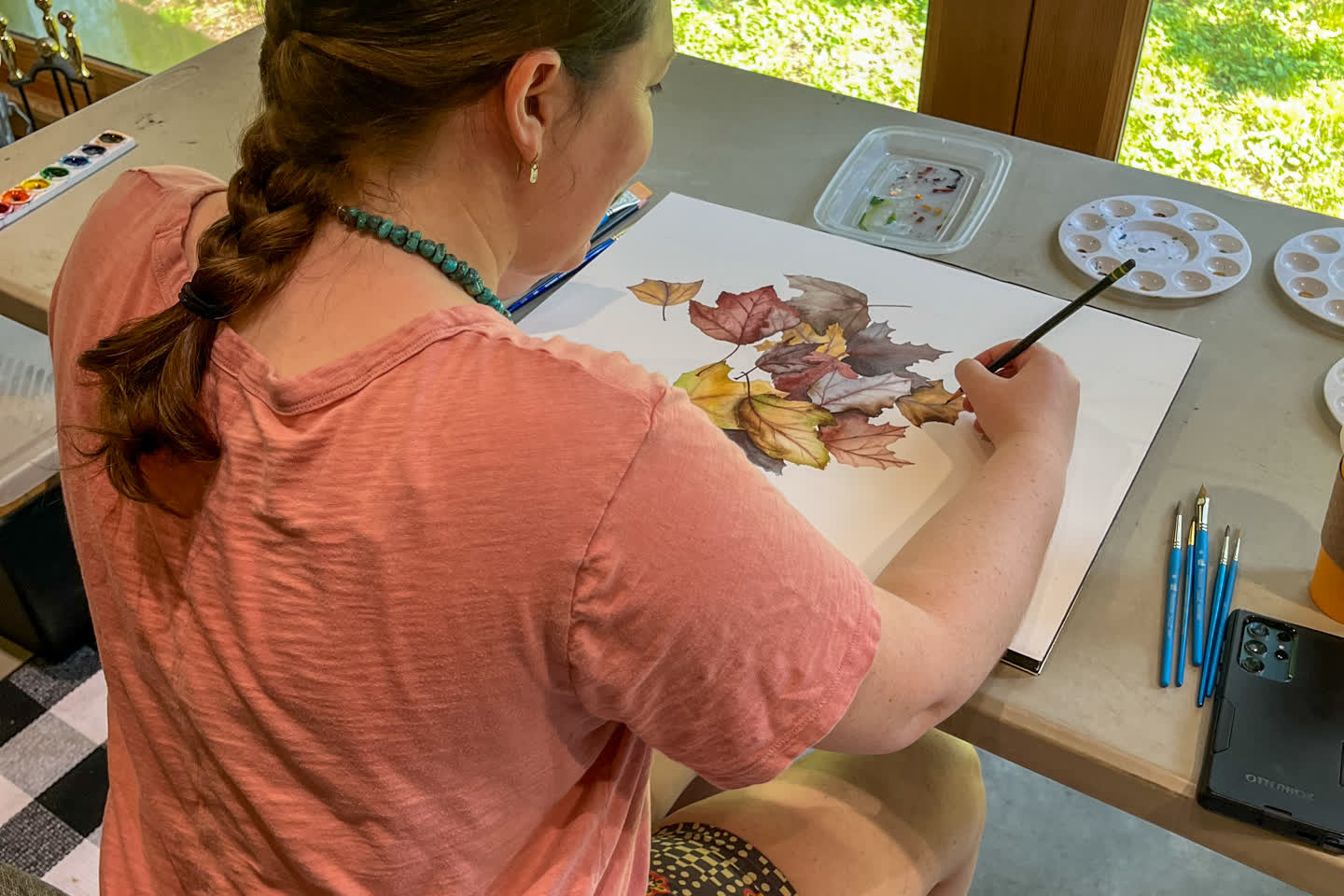
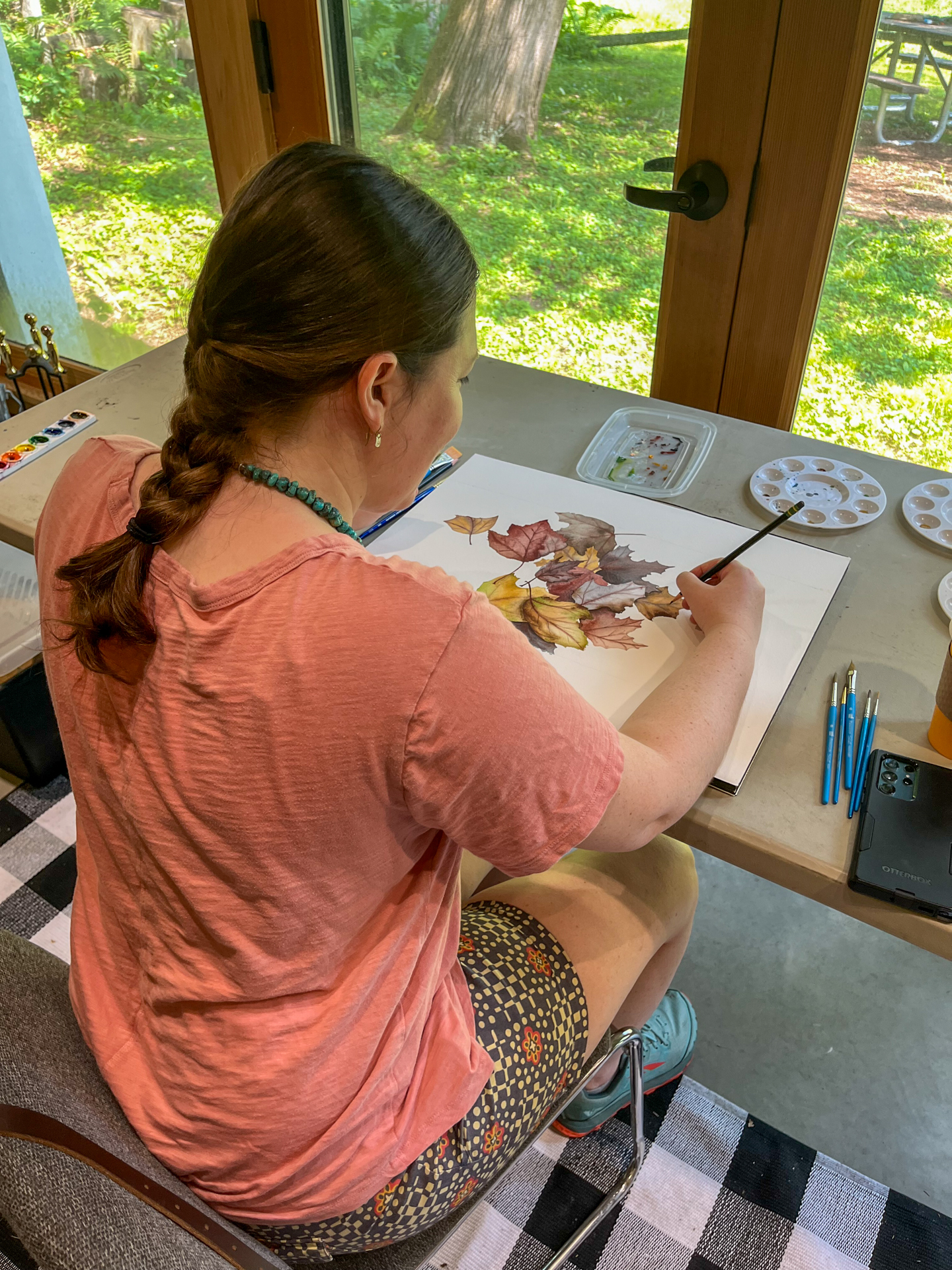
There’s a practical takeaway here for anyone learning creative skills today: the subscription era means the cost of trying is basically zero. If you’ve been telling yourself you’ll “start at 30, or 40, or 50,” this beginner’s field guide to starting a creative skill later in life pairs well with that freedom — and if watercolor specifically is calling your name, there are watercolor courses actually worth your time to sort the good from the mediocre.

Turning point #4: The creative-community rebrand (2020)
By 2020, Skillshare had a decision to make about what it actually was. The catalog had sprawled. The brand was fuzzy. So the company did something smart: it stopped trying to be everything and leaned hard into its original strength — the creative community.
The rebrand positioned Skillshare unambiguously as the learning platform for creators, by creators. Illustration, design, photography, animation, writing, film. Project-based classes where you don’t just watch — you make something and share it for feedback. That community layer, where students post class projects and get critiques, is the thing most competitors never replicated. It’s the difference between watching someone paint and being in a studio with painters.
The market responded. In August 2020, Skillshare raised a $66 million Series D led by OMERS Growth Equity, with the round explicitly aimed at expanding its enterprise offering, Skillshare for Teams. At the time, the company reported more than 12 million registered members, 8,000 teachers, and over 30,000 classes. The scrappy 2010 startup had become the default answer to “where do I learn creative skills online?”

What makes Skillshare different, honestly
Strip away the funding rounds and the strategy decks, and Skillshare’s durable idea is almost embarrassingly simple: the best person to teach you illustration is an illustrator. Not a professor of art theory — someone who drew something for a client last Tuesday.
That peer-to-peer structure is also its weakness, and it’s worth saying plainly: when anyone can teach, quality varies. The royalty system helps — teachers who hold attention get paid — but it’s not accreditation. The platform works best when you treat it like a studio full of generous strangers rather than a school: sample widely, follow the teachers whose work you admire, and judge classes by the projects students produce, not the marketing copy.
Compared to its rivals, Skillshare occupies a specific lane. If you’re trying to decide between platforms, this Domestika vs Skillshare vs Coursera breakdown lays out the trade-offs honestly — they’re genuinely different tools for different goals, not interchangeable logos.
Fifteen years in, the two tech guys’ bet looks prescient: the creator economy they were early to is now the economy, full stop. Skillshare didn’t invent the idea that creatives learn from creatives. It just built the first place where that could happen at scale — and then had the sense, at every turning point, to double down on exactly that.