







In 2015, the online education world had a formula: university professors, filmed in lecture halls, talking about algorithms. It worked — millions of people signed up for MOOCs — but nobody was exactly excited about it. Then a Stanford business school student looked at the whole industry and asked a different question: what if learning online felt less like homework and more like a Netflix documentary?
That question became MasterClass. And within a few years, it turned celebrity teachers into a multi-billion-dollar business model that the entire industry is still copying.
The idea: pay for the person, not the certificate
David Rogier was studying at Stanford when the concept took shape. Most online courses sold credentials — finish the class, get the certificate, add it to your resume. Rogier bet on the opposite: people would pay to sit, virtually, at the feet of the best in the world. Not for a credential, but for the experience itself.
The company started under a deliberately boring name — Yanka Industries — and Rogier brought in Aaron Rasmussen as co-founder and chief technology officer. Rasmussen, a creative director at heart, shaped the look of the thing: cinematic trailers, moody lighting, intimate close-ups. These were not lectures. They were films that happened to teach you something.
On May 12, 2015, MasterClass launched with just three instructors: Dustin Hoffman teaching acting, Serena Williams teaching tennis, and James Patterson teaching writing. Three classes. That was the whole catalog.
Why it worked: a bet on curiosity
Here’s what made it clever. Nobody needs a tennis lesson from Serena Williams. If you want to learn tennis, a local coach is cheaper, closer, and can actually watch your backhand. But that was never the product. The product was curiosity: how does the best in the world think? What does genius look like up close?
Reviewers noticed the same thing early on. The classes had extraordinary production values, and the real value was inspiration — students finished a class and wanted to keep going, to read more, to practice more. MasterClass was selling a window into someone’s work diary, as one critic put it. The celebrities weren’t grading your homework. They were letting you watch them work.
It also sold 30,000 course sign-ups in its first four months. For a startup selling classes at premium prices, that was a loud signal.

The Gordon Ramsay effect: cooking becomes the flagship
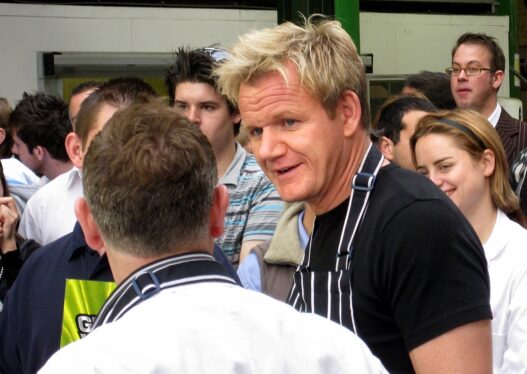
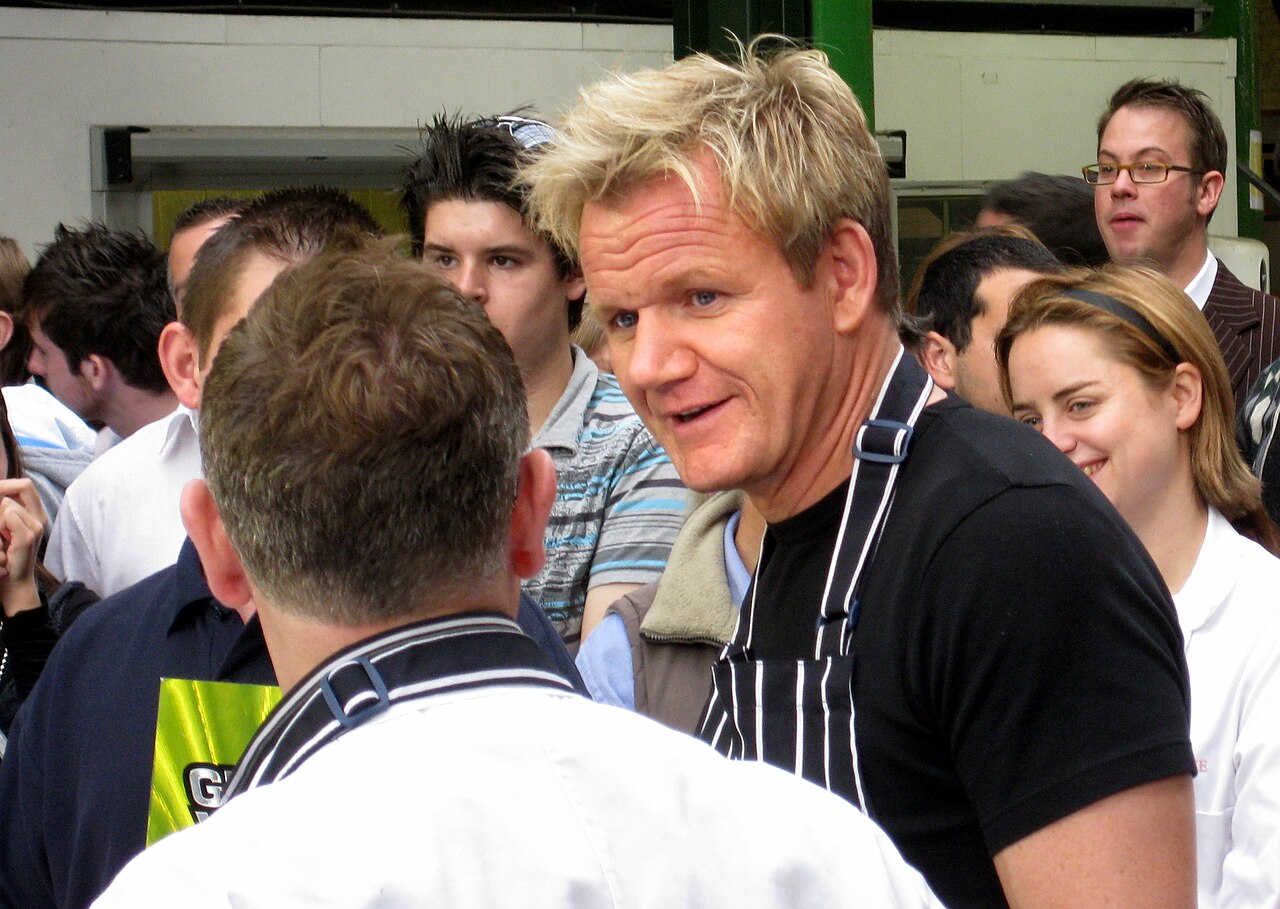
Then came the class that proved the formula at scale. When Gordon Ramsay joined to teach cooking, it clicked perfectly: a famously intense chef, a visual subject, knives and fire and plating. Cooking was already the most relatable MasterClass category — everyone eats — and Ramsay’s class showed how powerful the celebrity-plus-craft combination could be.
It set the template. Dominique Ansel’s class on French pastries went on to win a James Beard Foundation Broadcast Media Award in 2019. By late 2018, the catalog had grown to about 50 classes and 1,000 lessons, covering writing, sports, cooking, and — by 2019 — politics, economics, and even video game design. Anna Wintour, Samuel L. Jackson, David Lynch, Neil deGrasse Tyson, RuPaul: the roster kept getting more improbable, and that was the point.
Some classes were genuinely practical. Others were, as one reviewer dryly noted, lessons you couldn’t get anywhere else because they made no sense as lessons at all — tennis from Serena Williams, basketball from Steph Curry, self-expression from RuPaul. MasterClass didn’t care. Curiosity was the curriculum.
The money years: from $800 million to $2.75 billion
Investors noticed. MasterClass raised $15 million in 2016, $35 million in 2017, and $80 million in 2018. In May 2020, Fidelity led a $100 million Series E round that valued the company at around $800 million, according to Bloomberg.
Then the pandemic hit, everyone got stuck at home, and MasterClass had the perfect product for the moment. In May 2021, Fidelity led another round — $225 million at a $2.75 billion valuation, more than tripling the previous one. The company was reportedly growing its brand at a staggering pace in 2020, and the money was earmarked for more content, international expansion, and an enterprise product for companies.
It was one of the few genuine unicorns in edtech. And it had gotten there not by being cheaper or more accredited than everyone else, but by being the most watchable.

The hard year: layoffs and reality checks
The boom didn’t last forever. In June 2022, with the macroeconomic environment worsening and pandemic-era growth cooling across tech, MasterClass laid off about 20% of its staff — roughly 120 employees. The Verge had flagged the core tension years earlier: subscriptions that once lasted a lifetime had to keep people coming back for more classes, and replay value varied from course to course.
There were smaller stumbles too. In late 2017, an acting class by Kevin Spacey was pulled from the platform after sexual assault allegations against the actor became public. It was a reminder that building a brand on famous faces means inheriting their scandals.
Still, the company kept winning recognition: Webby Awards in 2020 and 2021, and a catalog that kept expanding into new territory. The model proved durable even when growth slowed.
What MasterClass actually changed
Strip away the celebrity glamour and MasterClass made three moves the whole industry now copies.
First, it proved that production value is pedagogy. People finish beautiful courses. They abandon ugly ones. If you’re thinking about what equipment you really need to record a course, MasterClass is the extreme case that proves the rule: viewers can feel the difference.
Second, it showed that the instructor is the marketing. Most course platforms spend heavily acquiring students. MasterClass lets its teachers’ fame do the work — trailers, social clips, and name recognition pull people in before a dollar is spent on ads.
Third, it reframed learning as entertainment without apologizing for it. You don’t take a MasterClass to get promoted; you take it because you’re curious. And as choosing your first online course gets more confusing every year, that clarity — pay for the experience, enjoy the ride — is worth remembering.
The Stanford student with the odd question turned out to be right: people will pay to learn from the best in the world, as long as it doesn’t feel like school. If you’re planning your first online course, that’s the bar now. And if you’re starting a creative skill later in life, it’s a reminder that the best teacher isn’t always the most qualified one — sometimes it’s the one who makes you want to keep going.