






Why Stress Blanks Your Mind During Exams
You knew the answer this morning — so why is your mind blank now? Exam stress hijacks working memory, but a 60-second reset can bring your brain back online. Here's the neuroscience and the fix.

Bilingual Brains: What Two Languages Do to You
Speaking two languages keeps both active in your brain at once — and that constant juggling trains attention, sharpens focus, and may even delay dementia. Here's what the science actually says about the bilingual mind.

The Mozart Effect: Does Classical Music Make You Smarter?
In the 1990s, a study suggested Mozart could boost your brain — and sparked a parenting craze. The timeline of the hype, the debunking, and what music actually does for studying.

Why Handwriting Beats Typing for Remembering
Half the lecture hall types, half scribbles in notebooks — and science has weighed in. The famous 2014 study, the rebuttals, and the practical verdict on when to use which.

How Sleep Cleans Your Brain (Explained Simply)
Every night, fluid washes through your brain tissue, flushing away the metabolic garbage of the day. Meet the glymphatic system — discovered in 2012 — and learn why all-nighters are worse than you thought.

The Zeigarnik Effect: Why Unfinished Tasks Haunt You
Unanswered emails, half-read chapters, courses abandoned at 60% — your brain refuses to let go of unfinished business. The 1927 experiment behind it, and five ways to turn the nagging into a superpower.

Why You Remember Song Lyrics but Forget Formulas
You can sing every word of a song from five years ago but can't recall yesterday's lecture. Songs exploit nearly every memory system you own — here's the science, and how to steal the trick for studying.
Do We Really Use Only 10% of Our Brains?
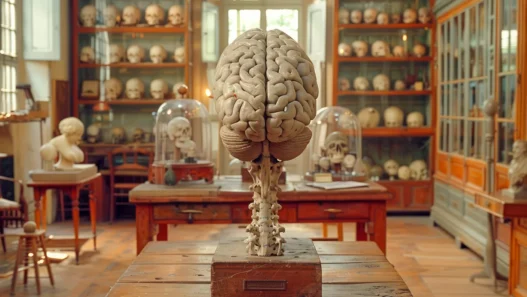
Movies love the idea that we use 10% of our brains and could unlock superpowers with the rest. It's completely wrong — but the real story of what your brain does all day is even more interesting.

Why Cramming Fails: What Your Brain Does Overnight
It's 2 AM, your exam is in seven hours, and you're still studying. Here's the cruel irony: the all-nighter doesn't just fail to help — it sabotages the very brain processes that turn studying into memory.
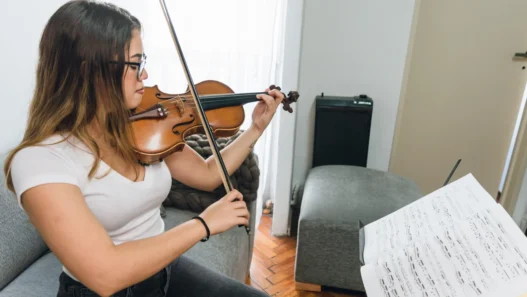
The 10,000-Hour Rule: True or Just a Myth?
10,000 hours to mastery — true, false, or somewhere in between? From Ericsson's 1993 violin study to Gladwell's bestseller to the 2014 backlash, here's the real story and what it means for your learning.