









Quick question: when someone says “great learning environment,” what pops into your head? If it’s a buzzing classroom full of group discussions, raised hands, and icebreakers — congratulations, you’ve just pictured an extrovert’s paradise and an introvert’s low-grade nightmare.
Here’s the good news nobody told you in school: online learning might be the first educational format actually designed for how introverts work best. No forced participation. No performing enthusiasm for the back row. Just you, the material, and the glorious absence of small talk.
But “learning alone” and “learning well alone” aren’t the same thing. Let’s walk through the questions introverts actually ask — answered honestly.

“Don’t I need other people to learn well?”
Short answer: you need feedback, not people. Those are different things.
The classroom model bundles them together — you get feedback by raising your hand in front of thirty people. Online, you can unbundle them completely. You can get feedback from an instructor’s written comments, from auto-graded quizzes, from a single trusted study partner over text, or from comparing your work against model solutions. None of that requires performing sociability.
In fact, there’s a decent argument that introverts have a structural advantage here. Deep learning — the kind where you wrestle with a concept until it clicks — happens in quiet, uninterrupted focus. That’s the introvert’s natural habitat. Extroverts often learn by talking things through; introverts learn by thinking things through. Online courses let you do the second one without apology.
The one thing to watch: don’t confuse “I prefer learning alone” with “I never need input.” Solo doesn’t mean isolated. Getting your work reviewed, asking questions when stuck, seeing how others approached a problem — that’s fuel, not socializing. More on that below.
“What about courses with mandatory group projects?”
Yeah, these exist, and yeah, they’re annoying. But they’re manageable if you pick your role deliberately.
First, check before you enroll: read the syllabus for words like “peer review,” “group project,” or “discussion participation.” Some courses grade these heavily; others list them but barely enforce them. Reviews from past students (the 3-star ones especially) will tell you the truth.
If group work is unavoidable, volunteer early for the role that fits you: researcher, writer, editor, data person. Introverts tend to shine in the “go deep and come back with something excellent” roles. What drains you is unstructured synchronous brainstorming — so propose structure: “How about we each draft our section by Thursday, then combine?” You’ll be the hero of every group project you’ve ever hated.
And remember that most online group work is asynchronous — forum posts, shared docs, recorded presentations. That’s group work with a mute button and time to think before you speak. Honestly? It’s the best version of group work ever invented. 🤫

“How do I ask for help without feeling exposed?”
This is the big one. In a physical classroom, asking a question means thirty heads turning toward you. Online, asking a question means typing into a box. The stakes are wildly lower — but the hesitation often survives anyway, because the feeling of exposure lingers.
Here’s what actually works:
- Write the question before you need courage. Draft it in a notes app when you’re calm. Posting a pre-written question takes five seconds of bravery instead of five minutes.
- Use the “one specific thing” format. “I’m stuck on X. I tried Y and got Z. What am I missing?” Specific questions get faster, kinder answers than vague ones — and writing them forces you to clarify your own thinking. Our full guide to asking good questions in online courses breaks this down step by step.
- Go async and private first. Most platforms let you message instructors or TAs directly. A private message to one person feels completely different from a post to 2,000 classmates.
- Remember the lurker math. For every person who asks a question in a course forum, dozens had the same one and stayed silent. You’re doing them a favor.
One more reframe: instructors consistently say their favorite students are the ones who ask precise, thoughtful questions — not the ones who talk the most. Quality over volume is an introvert superpower. Use it.
“Isn’t networking impossible for introverts?”
Networking events might be. Networking itself? Introverts can be excellent at it, because real professional networking isn’t about working a room — it’s about building a small number of genuine connections over time.
Online learning gives you unusually good raw material for this: you and your classmates share a specific interest, you’ve seen each other’s work, and you can reach out with context instead of cold small talk. “I really liked your approach to the week 4 project — how did you think of that?” is a perfectly natural message. No conference badge required.
A few introvert-friendly networking moves:
- Comment thoughtfully on classmates’ project posts (written > spoken, always).
- Connect on LinkedIn with a personal note referencing the shared course.
- Join the course’s Discord or forum but participate on your terms — answering questions is networking too, and it plays to your strengths.
We’ve got a deeper playbook in networking as an online learner — written with people who’d rather do almost anything than “mingle” in mind.
“What does an introvert-optimized study setup actually look like?”
Forget the aesthetic desk photos. An introvert-optimized setup is about protecting your attention, because deep focus is your competitive advantage and interruptions are its kryptonite.
The essentials:
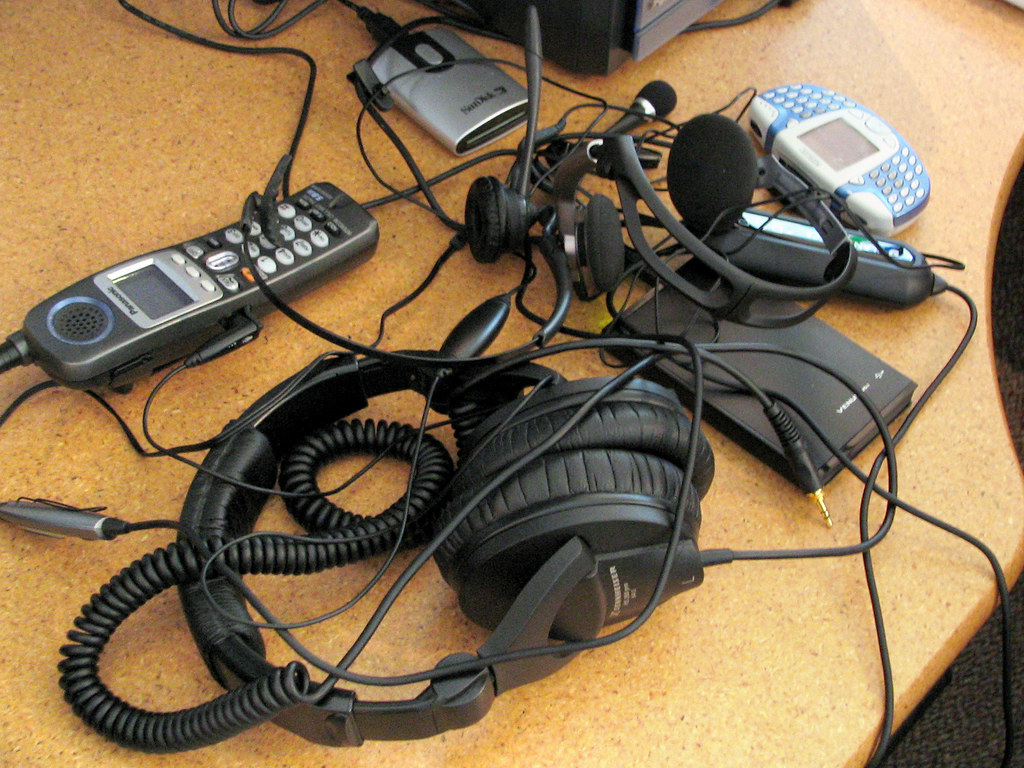
- A door that closes — or noise-canceling headphones as a portable door. The universal introvert signal for “I’m in deep focus, please don’t” is headphones on, even with nothing playing.
- Notifications off during study blocks. Every ping costs you far more than the 30 seconds it takes to check it — refocusing takes 15+ minutes. Your motivation to keep learning alone depends on protecting these blocks.
- One “thinking” tool. Introverts process by writing. Keep a notebook or doc open for thinking out loud on paper — it’s where half your learning will actually happen. If you want to upgrade this habit, these note-taking methods go way beyond copying slides.
- A shutdown ritual. When the session ends, close everything and physically leave the space. Introverts recharge in transitions; give yourself one between “study mode” and the rest of life.
If budget is a concern, setting up a home study space on a budget proves you can build all of this for very little money.
“What if my course has live sessions?”
Live video sessions — the scheduled Zoom-call component of many courses — are the one part of online learning that can feel like the classroom all over again. Cameras on, real-time questions, breakout rooms. If your stomach clenched reading that, you’re not alone.
First, the practical stuff: most platforms let you keep your camera off, and most instructors genuinely don’t mind. Participating via chat instead of voice is completely normal — in many live sessions, the chat is where the best questions live anyway. You can be a highly engaged student without ever unmuting.
For breakout rooms (small group video discussions), have a strategy ready: volunteer to be the notetaker. It gives you a defined role, a reason to listen more than talk, and something useful to contribute without improvising conversation. “I’ll take notes and share them after” is a magic sentence.
And remember: recordings exist. If a live session’s timing or format doesn’t work for you, watching the replay at 1.25x speed with pause-and-think breaks is often a better learning experience than attending live while anxious. Live attendance is rarely where the learning happens — it’s where the scheduling happens.
“Can I actually do better than extroverts at this?”
Honestly? In many online learning contexts, yes. Here’s why:
Online courses reward exactly the traits introverts tend to have: sustained solo focus, comfort with written communication, patience for going deep on one thing, and low need for external stimulation to stay engaged. The extrovert who thrived on classroom energy and study-group buzz often struggles with the quiet self-direction online learning demands. You were training for this your whole life without knowing it.
The research on this is nuanced — personality isn’t destiny, and plenty of extroverts learn brilliantly online. But the format removes the specific frictions that used to tax introverts most: forced participation, noisy environments, social fatigue eating into study energy. What’s left is much closer to a level playing field, tilted slightly in your favor.

The introvert’s learning manifesto
So here’s the summary, suitable for taping above your desk:
- Your need for quiet is a feature, not a flaw. Design around it instead of apologizing for it.
- Solo ≠ isolated. Get feedback in writing, ask precise questions, review others’ work — all without a single icebreaker.
- Go async whenever possible. Time to think before responding turns your reflectiveness into an advantage.
- Network through work, not events. Thoughtful comments and genuine messages beat mingling every time.
- Protect your focus like it’s money. Because in learning, it basically is.
The classroom was never built for you. That’s not your problem anymore — it’s your edge. Now go learn something wonderful, quietly, at your own pace, with the door closed. 🚪