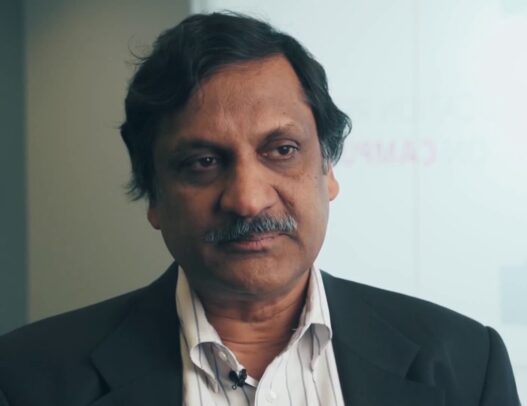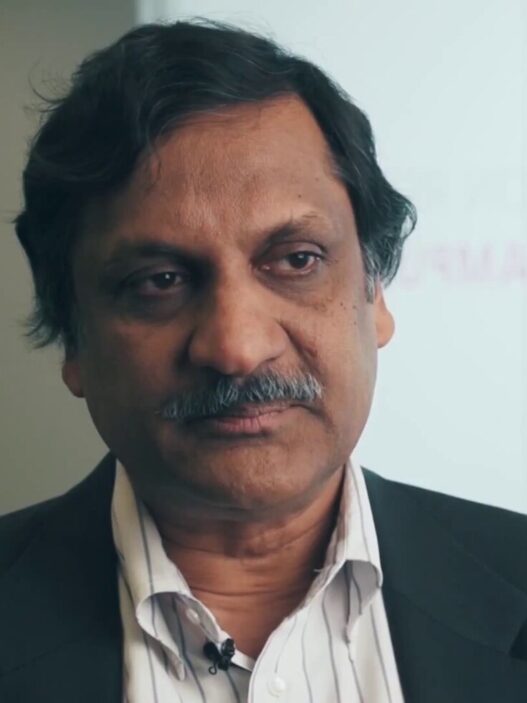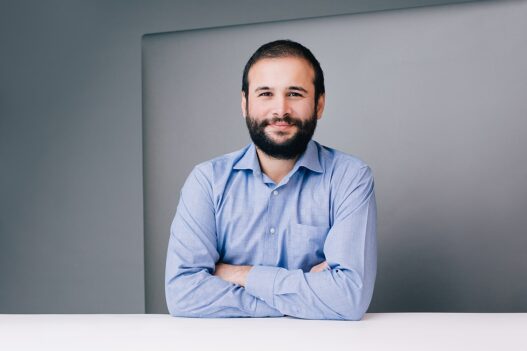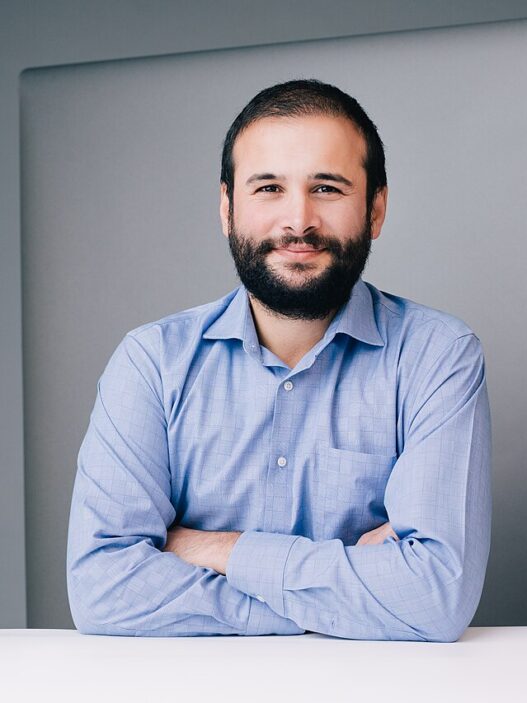






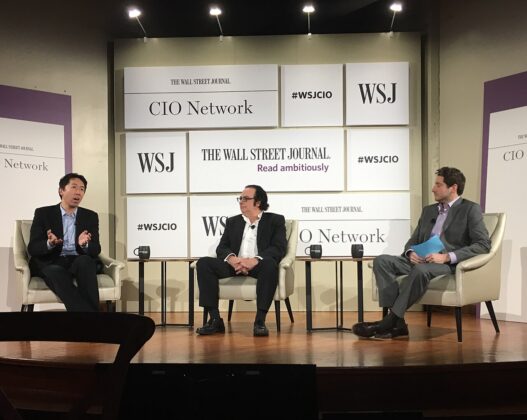
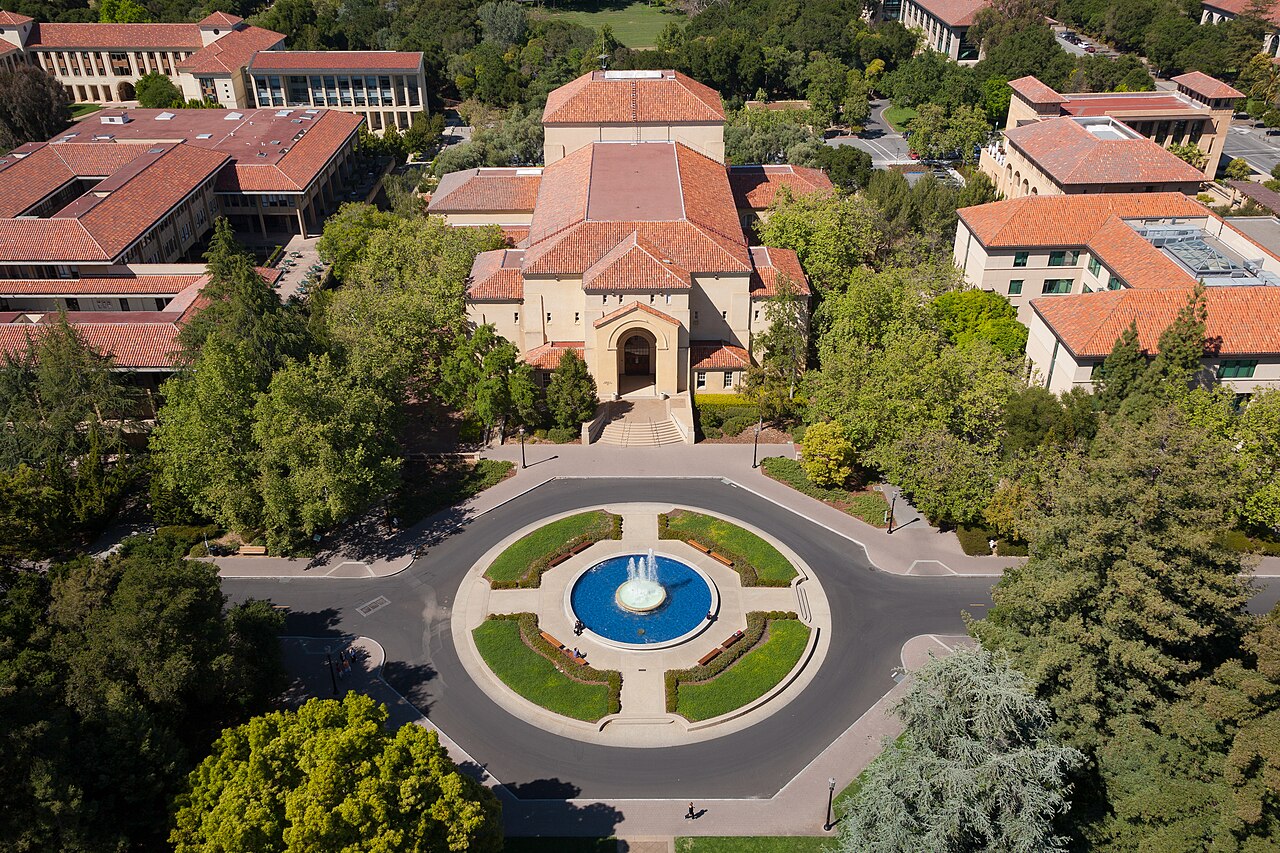
In the fall of 2011, Andrew Ng uploaded videos of his Stanford machine learning class to the internet and waited to see what would happen. He wasn’t trying to start a company. He was just curious whether anyone outside a Palo Alto lecture hall would care. By the end of the term, more than 100,000 people had signed up — from software engineers in Seoul to a teenager in Brazil who finished every problem set. Ng looked at those numbers and realized something huge: the classroom had just broken its walls.
That experiment became Coursera. Founded in 2012 by Ng and fellow Stanford professor Daphne Koller, it grew from a bold bet — that the world’s best education could be free, open, and available to anyone with an internet connection — into a global platform with over 100 million registered learners and a stock market debut worth billions. This is the story of how two professors accidentally reinvented the university.
Two professors, one accidental experiment
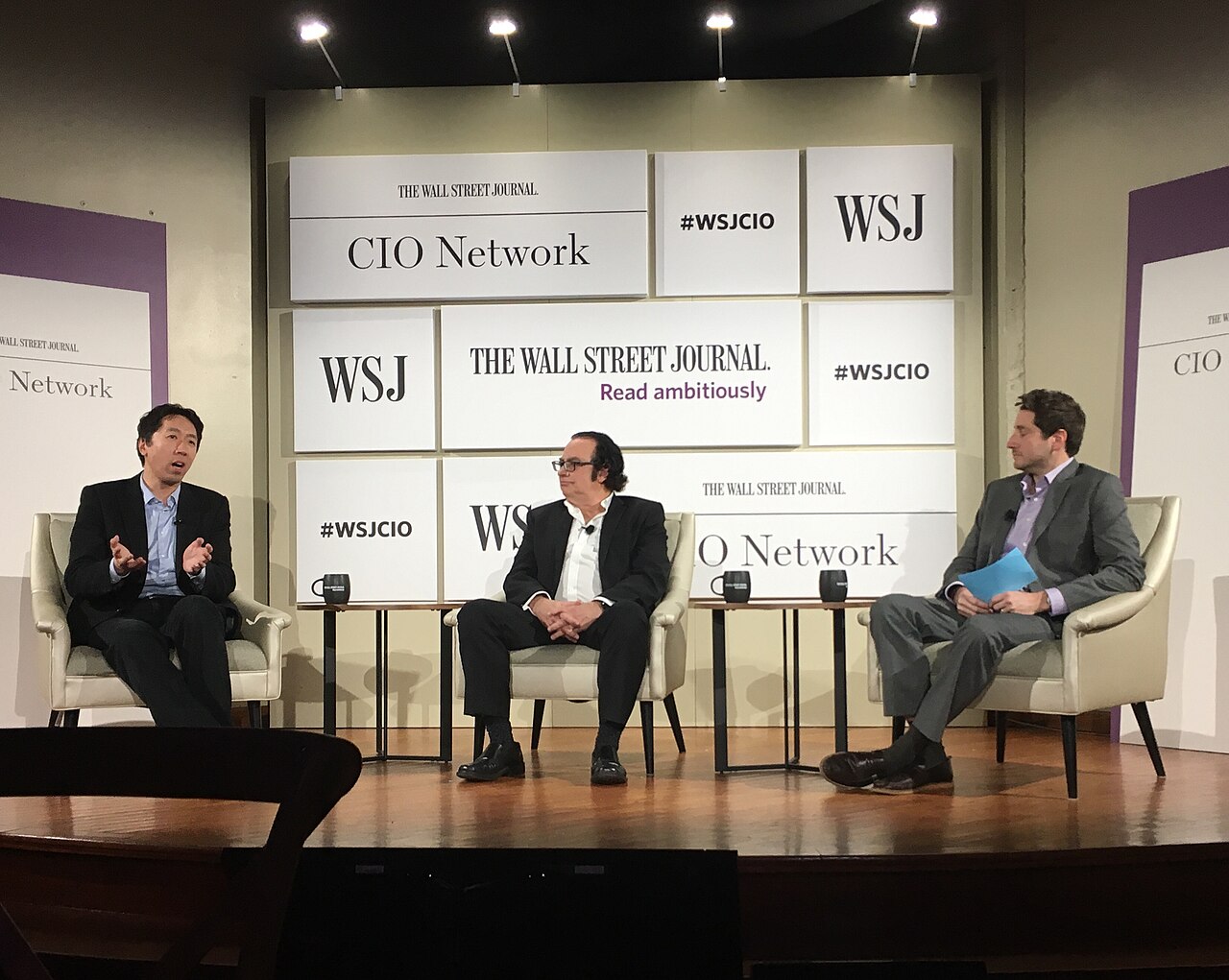
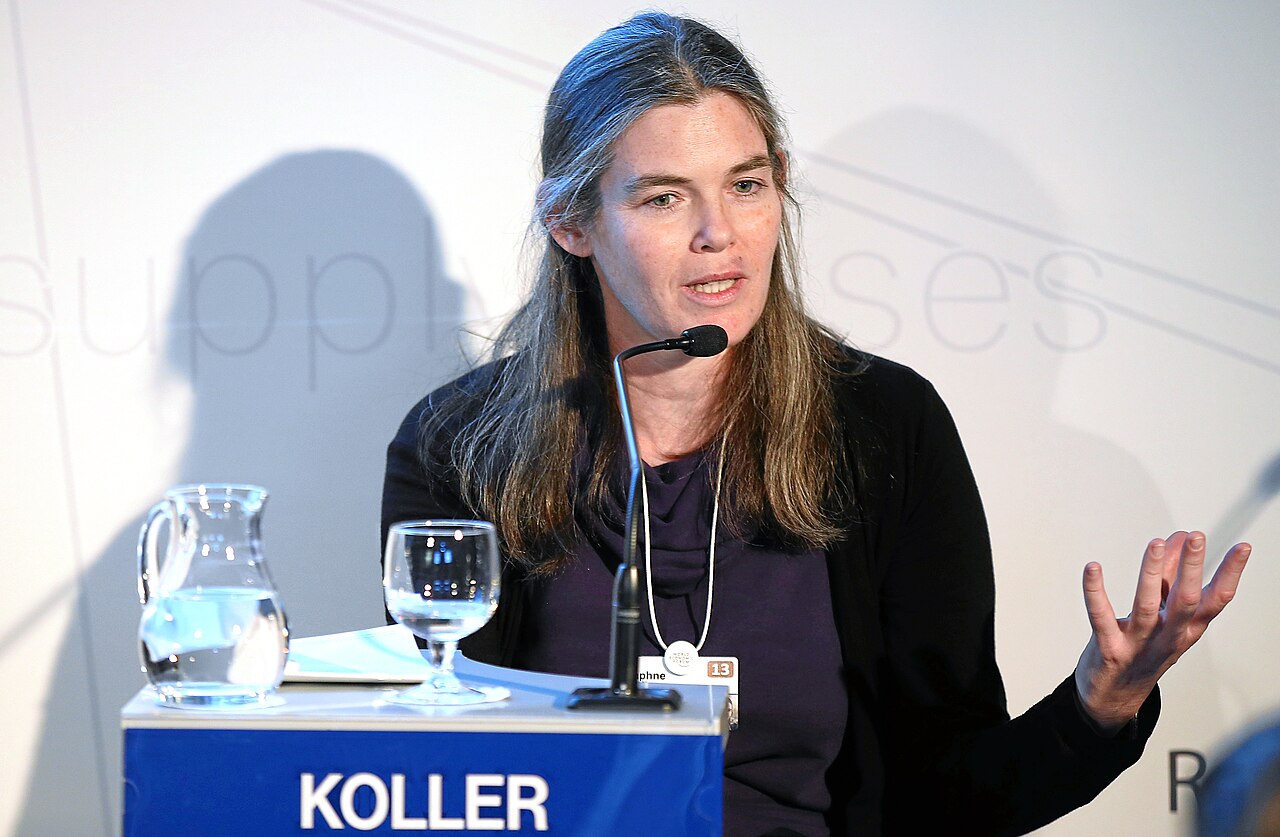
Andrew Ng was already a big deal in AI circles. A Stanford computer science professor and one of the people behind Google Brain, he taught machine learning the way most professors did: lectures, office hours, a room full of a few hundred students. Daphne Koller, also a Stanford professor, was a leading researcher in probabilistic graphical models — the kind of subject most people never encounter unless they’re deep into a PhD.
Neither of them set out to found a startup. But Stanford had started experimenting with putting courses online in 2011, and Ng put his entire machine learning course on the web — lectures, quizzes, automated grading, everything. The response stunned him. Students weren’t just watching; they were competing on the assignments, helping each other in forums, and emailing him from time zones he’d never visited. When Daphne Koller ran her own probabilistic models course online, she saw the same explosion of demand.
The two of them kept coming back to one question: if this many people wanted to learn, why were the doors of the university still closed to them? In 2012, they left Stanford and launched Coursera. Princeton, Stanford, the University of Michigan, and the University of Pennsylvania signed on as the first partner universities.
The MOOC gold rush
Coursera launched at exactly the right moment. 2012 was the year the New York Times declared the “Year of the MOOC” — massive open online courses. Venture capital was pouring in. The initial $16 million funding round, backed by Kleiner Perkins Caufield & Byers and New Enterprise Associates, gave Coursera the runway to build a real platform: streaming video, peer grading, discussion forums, and certificates.
By 2013, Coursera had figured out how to make money without charging tuition. That September, it announced it had earned $1 million selling verified certificates — proof you’d actually completed a course, authenticated with a photo ID. It sounds obvious now, but at the time it was a genuine innovation: keep the learning free, charge for the credential. Later that year, GSV led a $63 million Series B.
The growth was relentless. In 2015, NEA led a Series C of more than $60 million. In 2017, another $64 million. In 2019, $103 million, pushing Coursera’s valuation past $1 billion — unicorn status. Each round was a bet that free university courses could become a serious business, and each year the learner count climbed.
Growing up: from free courses to careers
Somewhere along the way, Coursera stopped being just a place to watch lectures and became a full education platform. The company added professional certificates built with companies like Google and IBM, full online bachelor’s and master’s degrees with partner universities, and an enterprise arm that sells training to businesses and governments. The pitch shifted from “learn for fun” to “learn to get a better job” — and it worked.
This is also when the business got more complicated. The early promise of totally free courses slowly gave way to paywalls: most courses could still be audited for free, but graded assignments and certificates cost money. Some longtime users complained the platform had sold out its mission. Coursera’s answer was that charging for credentials was the only way to keep the lights on — and the numbers backed that up. Revenue kept climbing year after year.
In February 2021, Coursera took another symbolic step: it became a certified B Corporation and converted into a Public Benefit Corporation, legally committing itself to consider social impact alongside profit. Whether that changed anything real is still debated, but the signal was clear — the company wanted to be seen as education-first.
The IPO and the pandemic boom
The pandemic was the moment everything clicked into place. With campuses shut and millions stuck at home, online learning went from niche to normal overnight. Coursera’s user base exploded — by its IPO filing, it reported over 77 million registered users, with nearly 80 million learners in 2020 alone according to industry estimates. Revenue jumped 59% to $293.5 million in 2020.
On March 31, 2021, Coursera went public on the New York Stock Exchange at $33 per share, valuing the company at roughly $4.3 billion. The stock popped on day one, and at one point the market cap pushed past $7 billion. For a company that started with two professors uploading lecture videos, it was a staggering validation.
Of course, going public meant growing up financially too. The IPO filing revealed Coursera had never turned a profit — a net loss of $66.8 million in 2020 and an accumulated deficit of $343 million. The company was spending $107 million a year on marketing alone. The bet was that scale would eventually bring profitability. Years later, that bet is still playing out.
Where Coursera stands today
Coursera today looks very different from the free-course experiment of 2012. It works with more than 375 universities and companies, offers around 7,000 courses, and has over 100 million registered learners. In December 2024, Greg Hart — a longtime advisor to Jeff Bezos at Amazon — took over as CEO, and the company moved all previously free university courses behind a paywall starting at $49 per month, ending the free-audit era for good.
Whether you see that as a betrayal of the original mission or a necessary evolution depends on your perspective. But there’s no denying the core achievement: Coursera proved that millions of people would learn online, seriously, from real universities — and it built the blueprint the whole industry now follows.
If you’re thinking about taking the leap yourself, start with our guide on how to choose your first online course without wasting money, weigh up free courses vs paid courses, and if you’re torn between platforms, check out Domestika vs Skillshare vs Coursera.