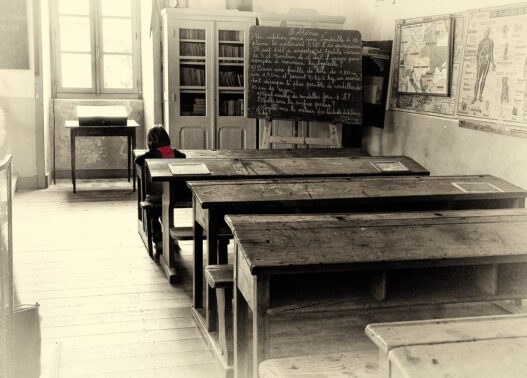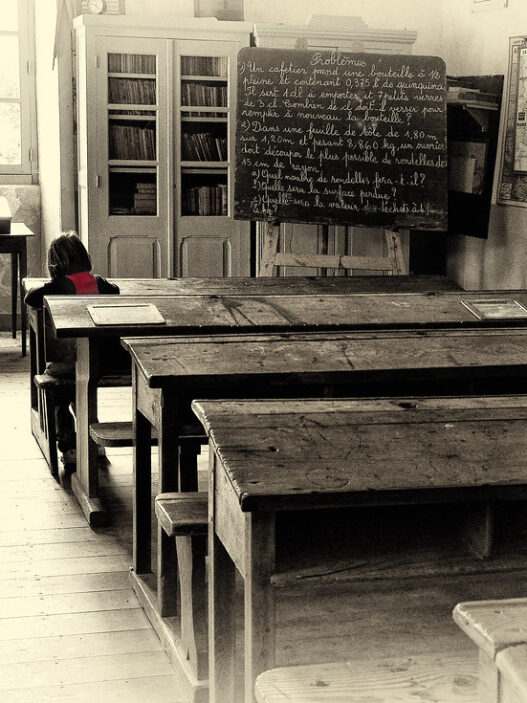




Reading feels like the most natural thing in the world — until you realize that for most of human history, almost nobody could do it. The rise of global literacy is one of humanity’s greatest and least-celebrated achievements. Here’s how we got from a world where reading was a superpower to one where it’s close to universal, told in numbers.

1820: 1 in 8 can read
Around 1820, roughly 12% of the world’s population could read and write. Literacy was a privilege of priests, merchants, and elites — everyone else lived in an oral world. In most countries, there were no public schools at all. If you were born poor in 1820, the odds that you’d ever read a single sentence were close to zero, and nobody found that strange. It was simply how the world worked.
1900: 1 in 5 — the school century begins
By 1900, global literacy had crept up to roughly 20%. The 19th century’s great project — compulsory schooling in Europe and North America — was underway, and literacy rates in industrialized countries were soaring. But most of the world hadn’t started yet: colonial education systems were thin, and in much of Africa and Asia, literacy remained below 10%. The world was splitting into two reading populations, and the gap was enormous.
1950: 1 in 3 — the great acceleration
After World War II, newly independent nations made mass education a founding mission. By 1950, around 36% of the world could read — still a minority, but the curve was bending sharply upward. This is the era when literacy stopped being a European story and became a global one. Countries like China and India launched vast literacy campaigns; the idea that every child should attend school went from radical to obvious within a single generation.
1970: 1 in 2 — the tipping point generation
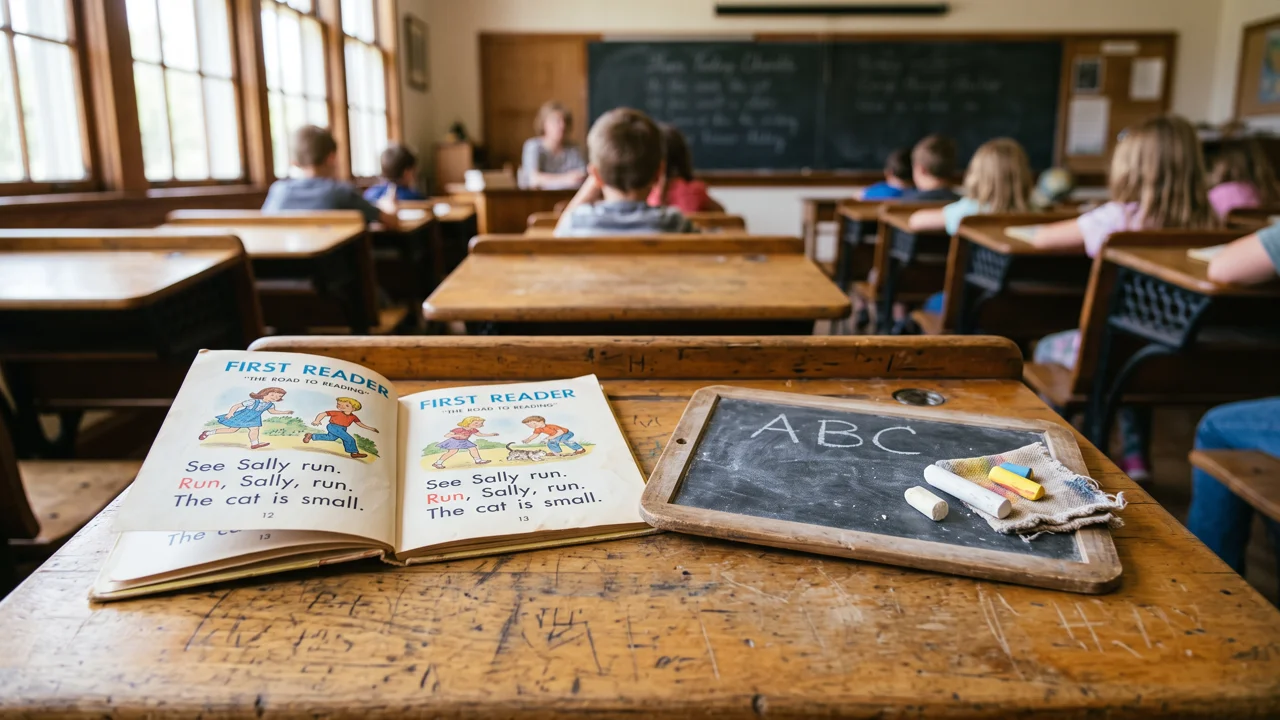
By 1970, roughly half the world could read — a milestone nobody celebrated at the time but everyone should now. Think about what that means: within the living memory of people still alive today, humanity flipped from a mostly illiterate species to a mostly literate one. The postwar education boom, decolonization, and the simple economics of industrializing societies all converged. If your grandparents were born around mid-century in Asia, Africa, or Latin America, they likely belonged to the first generation in their family history where reading was normal.
1980–2000: the majority flips
Sometime in the late 20th century, humanity crossed a threshold nobody threw a party for: most people on Earth could read. By 2000, global literacy stood at roughly 82%. Consider what that means — within one human lifetime, reading went from a minority skill to a majority one. If your grandparents were born in a developing country, there’s a decent chance they grew up in a world where most adults couldn’t read, and lived to see a world where most could.
Today: 86–87% — and the gaps that remain
Current estimates put global adult literacy at around 86–87%, with youth literacy (ages 15–24) even higher at roughly 93%. The remaining illiteracy is concentrated and unequal: in parts of sub-Saharan Africa and South Asia, rates are far lower, and women still account for about two-thirds of the world’s illiterate adults. The gender gap has narrowed dramatically but hasn’t closed.
There’s also a quieter crisis hiding inside the headline number: functional literacy. Being able to read a sentence isn’t the same as being able to understand a contract, follow medical instructions, or evaluate a news article. In wealthy countries with near-universal basic literacy, a surprising share of adults still struggle with complex texts — a reminder that literacy is a spectrum, not a switch.
The relationship between schooling and literacy is also less automatic than it looks. Getting children into classrooms was the 20th century’s battle; getting them to actually learn inside those classrooms is the 21st’s. In several countries, large shares of primary school students can’t read a simple paragraph despite years of attendance — the “schooling without learning” crisis that development economists now consider the real frontier. Enrollment is easy to count; comprehension is not.
What drove the change? Four engines
History rarely moves in straight lines, but literacy’s rise has four clear engines — and understanding them explains both the progress and the remaining gaps:
- Compulsory schooling laws — the single biggest lever. When states required attendance and funded schools, literacy followed within a generation.
- Cheaper print — from the printing press to paperbacks, every drop in the cost of books expanded the reading public.
- Economic demand — industrial and service economies reward readers, creating a powerful incentive for families to educate children.
- Women’s education — educating girls turned out to be the highest-leverage literacy intervention ever discovered, with effects compounding across generations.
The next 100 years
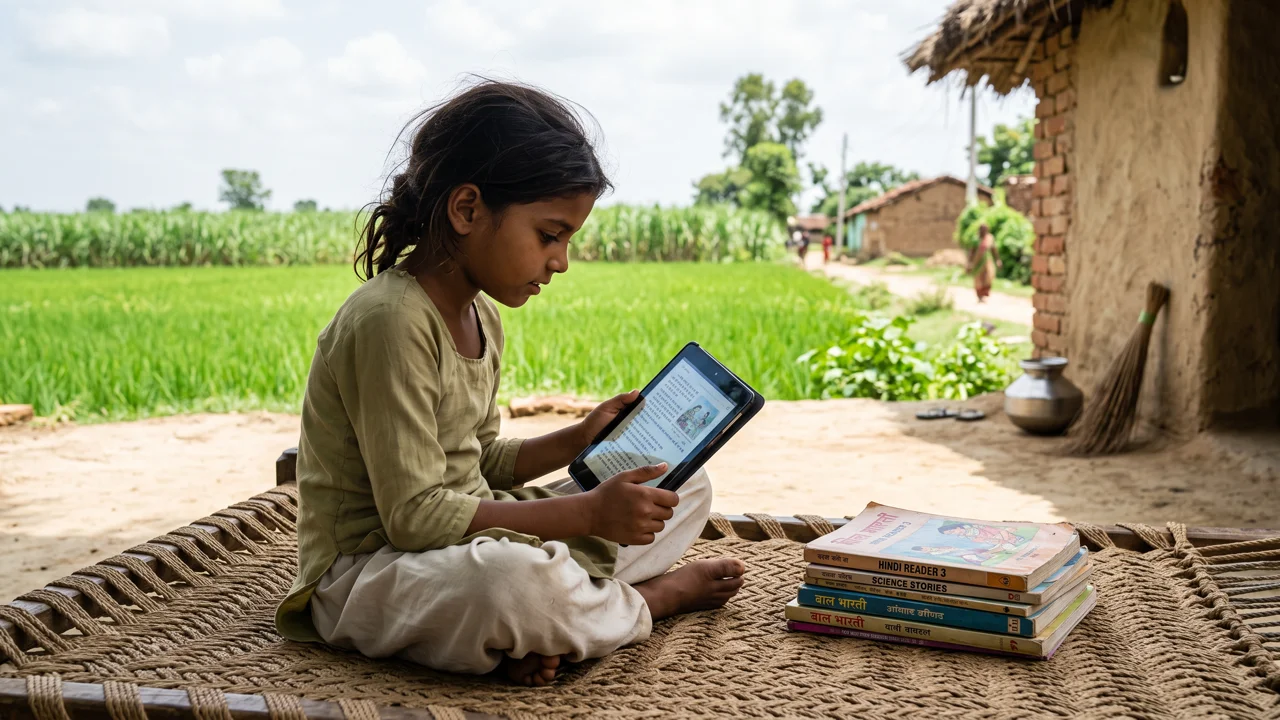
The trajectory points toward near-universal basic literacy within decades — an achievement that would have been unthinkable in 1820. But the frontier has moved: from can you read to can you read well enough to thrive, and from print literacy to digital and media literacy. The same skills that let someone decode a sentence now need to stretch to decoding an algorithmically curated feed.
Reading this article means you’re part of the most literate generation in human history. That’s worth a moment of awe — and maybe a moment of responsibility, too. Literacy was humanity’s great equalizer; keeping it that way, and deepening it, is the next chapter.
It’s also worth remembering how recent all of this is. Universal literacy isn’t some ancient human baseline we returned to — it’s a brand-new experiment, barely a century old in most of the world. Every book you read, every article you finish, every note you take is a vote for keeping the experiment going. The arc from 12% to 87% took 200 years; the next chapter is ours to write — preferably, with excellent reading comprehension.
If you’re looking to sharpen your own reading, reading faster without losing comprehension is a great next step, and learning a new language opens entire new worlds of text. After all, 87% of humanity can read now — imagine what they’ll write.