









Wikipedia in Numbers: Who Writes It All?
60 million articles, 100,000+ monthly volunteers, zero salaries. Who actually writes Wikipedia — and how does it not fall apart?

The Biggest Libraries in the World, in Numbers
170 million items. 1,350 km of shelves. 10,000 new arrivals a day. Tour the world’s biggest libraries through the numbers that defy imagination.
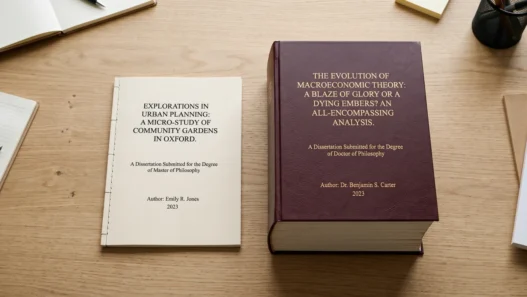
The Shortest and Longest PhD Theses Ever
John Nash’s Nobel-winning thesis was 28 pages. Others ran past 2,000. The wild extremes of doctoral writing — and what they teach the rest of us.

The Most Translated Books in the World
From the Bible’s 3,600+ languages to Pinocchio’s 300, translation is the truest measure of a book’s global reach. Countdown the most translated books ever written.
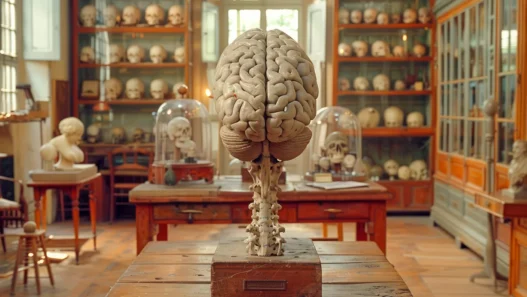
Do We Really Use Only 10% of Our Brains?
Movies love the idea that we use 10% of our brains and could unlock superpowers with the rest. It's completely wrong — but the real story of what your brain does all day is even more interesting.

Why We Yawn When Others Yawn: The Science
Someone yawns across the room and suddenly your jaw is stretching too. Is yawning really contagious? Why do we yawn at all? A Q&A on brain cooling, empathy, dogs that catch your yawns, and pre-exam jitters.

Your Brain in Numbers: Facts That Will Blow Your Mind
86 billion neurons. Up to a quadrillion synapses. 20 watts of power. Your brain's real numbers are wilder than the myths — and they explain exactly why good study techniques work.

Why You Get Déjà Vu (And What It Says About Memory)
You're certain you've been here before — but you know you haven't. Two out of three people experience déjà vu. Here's what split-second brain delays, familiarity glitches, and divided attention reveal about your memory.