
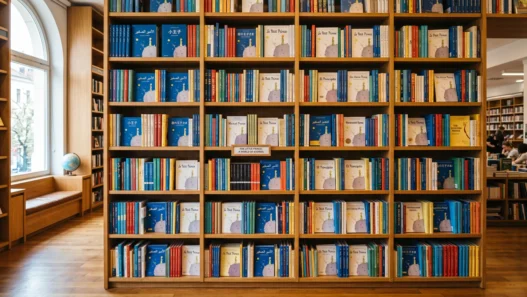




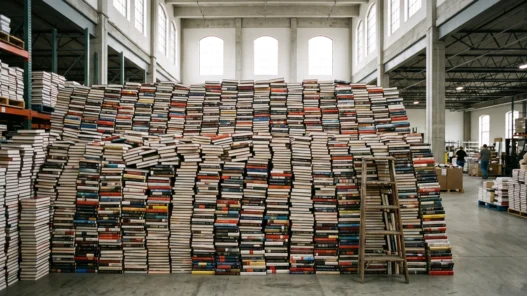
Quick: how many books were published last year? Take a guess. A hundred thousand? A million? Whatever number you picked, the real answer is probably bigger — and the reason nobody can tell you the exact figure is one of the most interesting stories in modern publishing.
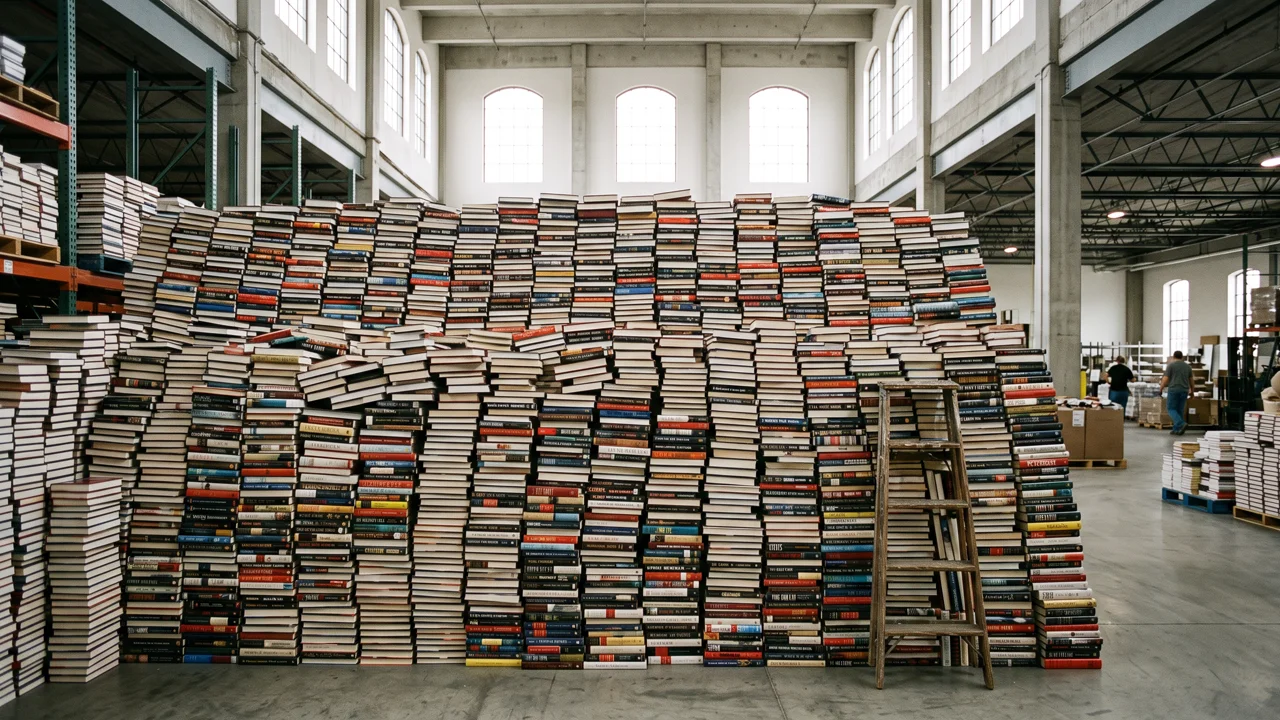
The short answer: millions. Probably.
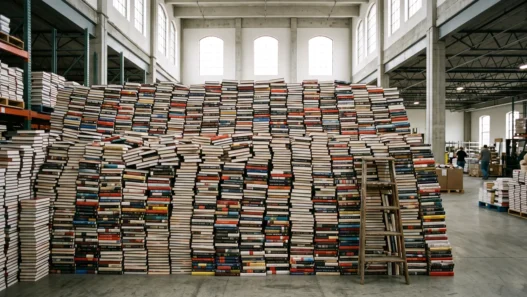
The best estimates put global book output at somewhere between 2 and 4 million new titles per year. That’s a huge range, and it’s honest: counting the world’s books turns out to be surprisingly hard. But even the low end is staggering. Two million books a year means roughly 5,500 new titles every single day — a new book every 16 seconds, weekends included.
If you read one book a week for your entire life, you’d finish about 4,000 books. That’s roughly 0.1% of what gets published in a single year. Let that sink in the next time your to-read pile makes you anxious.
Why nobody knows the exact number
You’d think we’d have this figured out. We count everything else. But books slip through the cracks for a few stubborn reasons:
- ISBNs aren’t mandatory. The International Standard Book Number system is the closest thing to a global count, but plenty of books — especially self-published e-books — never get one.
- Definitions vary. Does a new edition count? A reprint? A 20-page pamphlet? A print-on-demand title that sells three copies? Every country answers differently.
- UNESCO gave up. The UN agency used to track global book production, but its numbers stopped being comprehensive decades ago. Nobody picked up the baton.
- Self-publishing broke the counters. When anyone with a laptop can publish, the line between “published book” and “document” gets very blurry, very fast.
So every “books published per year” figure you’ve ever seen is really an educated estimate built on ISBN registrations plus guesswork. The trend, though, is unmistakable: up, up, up.
The numbers we do have, country by country
ISBN data gives us a decent map of where the world’s books come from. The heavyweights:
- United States: well over 1 million ISBNs registered per year in recent years — but the vast majority are self-published titles. Traditional publishing accounts for roughly 300,000 new titles.
- China: around 400,000–500,000 new titles a year, making it one of the world’s largest book producers by traditional measures.
- United Kingdom: roughly 180,000–200,000 new titles annually — extraordinary output for a country of 67 million people, and the reason London remains a publishing capital.
- Germany, Russia, Japan, and France each add hundreds of thousands more to the global pile.
Notice the pattern: the countries with the biggest numbers are the ones with the biggest self-publishing ecosystems. The ISBN count measures enthusiasm as much as industry.
The self-publishing explosion changed everything
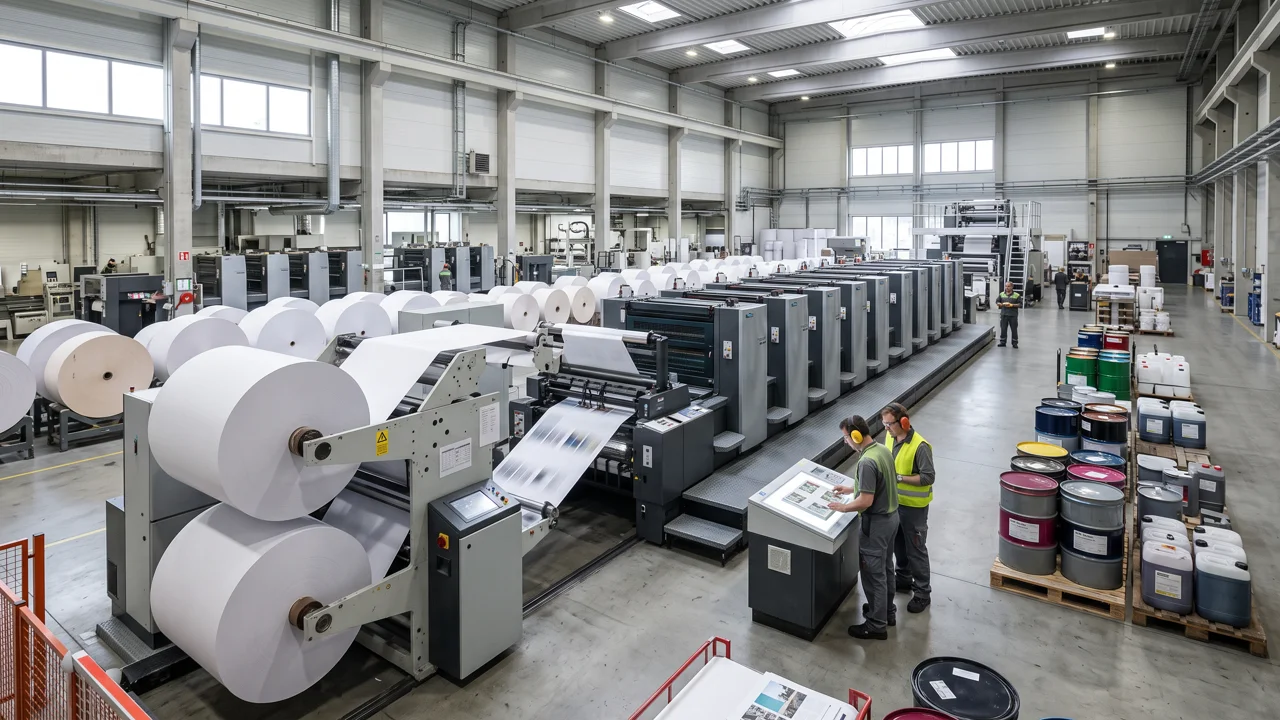
Here’s the stat that explains the modern era: in the US, the number of self-published ISBNs went from tens of thousands in the early 2000s to well over a million per year by the 2020s. Print-on-demand and e-book platforms removed every gatekeeper at once — no agents, no editors, no print runs, no permission needed.
This is democratization with side effects. On one hand, voices that traditional publishing ignored can now reach readers directly — a genuinely revolutionary shift. On the other hand, the average self-published title sells a tiny number of copies, and discoverability has become the real bottleneck. We’ve solved the problem of publishing a book and replaced it with the problem of anyone ever finding it — a challenge familiar to anyone who’s tried marketing their work with zero audience.
The parallel with online courses is hard to miss: just as anyone can now plan and publish a course, anyone can publish a book. In both worlds, the hard part was never production — it’s getting noticed.
What “millions of books” actually feels like
Raw numbers numb the brain, so let’s make them vivid:
- If you stacked one copy of every book published in a single year, the pile would reach dozens of kilometers into the sky — past the cruising altitude of airliners.
- The world’s largest libraries, with collections in the hundreds of millions of items, now grow by millions of items per year — and still capture only a fraction of global output.
- Most books ever published are out of print, and a huge share were never meaningfully distributed at all. The “long tail” of publishing is really, really long.
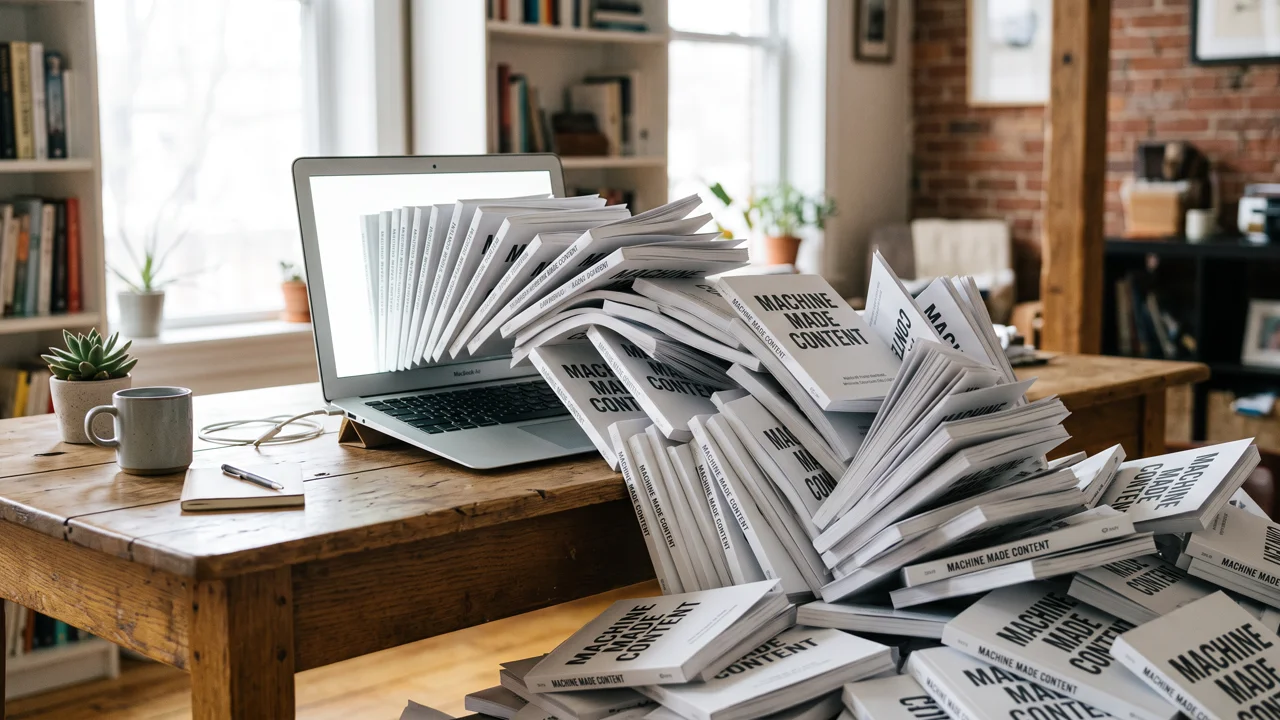
Does an AI-generated e-book count as a “book”?
Here’s a question the counters never had to ask before: what happens when machines start writing? AI-assisted and AI-generated titles are now flooding self-publishing platforms by the thousands — some estimates suggest a meaningful share of new Kindle uploads involve AI assistance. Most are low-effort, low-quality, and low-readership. But they have ISBNs (sometimes), they have covers, and they sit in the databases.
This is pushing the definition of “published book” to its breaking point. If a script generates 10,000 variations of a coloring book and uploads them all, did 10,000 books get “published”? Technically yes; meaningfully, obviously not. The publishing counters of the future will need to distinguish between books people make and content pipelines produce — a distinction the old ISBN system was never designed to handle.
For readers, the takeaway is reassuring: the flood of machine-generated filler makes human curation more valuable, not less. Librarians, reviewers, booksellers, and trusted recommenders are the levees holding back the deluge. In a world of infinite content, taste is the scarcest resource of all.
So what should you do with this information?
Mostly, relax. The impossible volume of new books means two comforting things. First, your unread pile is not a moral failing — it’s a mathematical certainty. Second, curation matters more than ever: the scarcest resource isn’t books, it’s attention. The readers who thrive aren’t the ones who read the most; they’re the ones who choose well.
Pick your next book like it has to earn its place among millions of competitors — because it does. And if you’ve ever dreamed of adding your own title to that annual flood, remember: the barrier to entry has never been lower. What hasn’t changed is the part that always mattered — building something worth noticing, one page at a time.